
Aging In Place Home Safety: 10 Warning Signs Your Home May No Longer Be Safe For Aging In Place
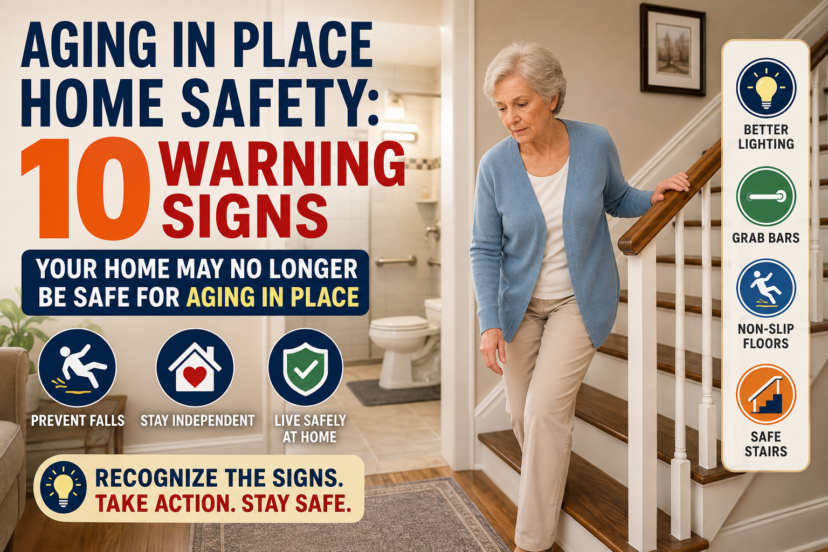
Living at home as you grow older is a goal shared by millions of Americans. Home provides comfort, familiarity, and independence that simply can’t be replaced. However, the house that worked perfectly twenty years ago may quietly become more difficult—and even dangerous—to navigate over time. That’s why aging in place home safety deserves regular attention, even if you currently feel healthy and active.
The good news is that most home safety risks don’t require expensive remodeling or major renovations. In many cases, a few thoughtful improvements can significantly reduce fall risks, improve accessibility, and make everyday activities easier. Whether you’re planning for your own future or helping an aging parent, recognizing early warning signs allows you to take action before a minor inconvenience becomes a serious accident.
This guide explains ten common signs your home may no longer fully support safe, independent living, along with practical solutions that can help you stay comfortable, confident, and independent for years to come.
⭐ Quick Answer: Aging In Place Home Safety
If your home has poor lighting, frequent tripping hazards, difficult-to-use stairs, unsafe bathrooms, hard-to-reach storage, or areas that limit your mobility, it may no longer fully support aging in place home safety. Identifying these warning signs early allows you to make affordable improvements that reduce fall risks, improve accessibility, and help you remain independent longer.
Key Takeaways
Most Likely Cause: Homes often become less suitable as mobility, vision, balance, and strength naturally change with age.
Usually Serious? Not immediately, but small hazards can greatly increase the risk of falls and injuries over time.
First Thing To Check: Walk through each room and identify areas where you feel unsteady, struggle to reach items, or need extra support.
Best Solution: Improve aging in place home safety with better lighting, grab bars, non-slip flooring, clutter reduction, and other practical home modifications.
🏡 Why Home Safety Changes With Age
Growing older doesn’t automatically mean you need to leave your home. However, normal age-related changes can affect how safely you move through familiar spaces.
These changes may include:
- Reduced balance
- Slower reaction time
- Decreased muscle strength
- Vision changes
- Arthritis and joint stiffness
- Reduced flexibility
- Medication side effects
A home that once felt effortless can gradually become harder to navigate without you even realizing it.
Recognizing these changes early allows you to make simple adjustments before injuries occur.
🚩 1. You Have Nearly Fallen More Than Once
Many falls are preceded by “close calls.”
Examples include:
- Catching yourself on furniture
- Losing balance while turning
- Slipping in the bathroom
- Tripping over rugs
- Missing a step
Near falls often indicate that your home environment needs attention.
Simple Solutions
- Remove loose rugs
- Improve lighting
- Install grab bars
- Wear supportive shoes indoors
- Keep walking paths clear
💡 2. Poor Lighting Makes It Hard To See
Good lighting becomes increasingly important with age.
Dark hallways, dim staircases, and poorly lit bathrooms increase fall risk dramatically.
Warning signs include:
- Difficulty reading labels
- Trouble seeing steps
- Shadows in hallways
- Frequently turning on phone flashlights
Better Lighting Tips
- Replace dim bulbs with brighter LED bulbs
- Install motion-sensor lights
- Add nightlights in bedrooms and bathrooms
- Improve outdoor pathway lighting
- Reduce glare where possible
Better lighting is one of the easiest upgrades for improving aging in place home safety.
🛁 3. The Bathroom Feels Unsafe
Bathrooms remain one of the highest-risk locations for falls.
Watch for:
- Difficulty stepping into the tub
- Slippery floors
- Trouble standing after using the toilet
- No stable surface to hold onto
Easy Bathroom Improvements
- Install grab bars
- Add a shower chair
- Use non-slip bath mats
- Install a handheld showerhead
- Consider a raised toilet seat
Many of these upgrades cost far less than people expect.
🪜 4. Stairs Have Become More Difficult
Avoiding stairs is often an early warning sign.
You may notice:
- Holding tightly to railings
- Climbing slowly
- Carrying fewer items upstairs
- Feeling tired after climbing
Helpful Improvements
- Secure sturdy handrails on both sides
- Improve stair lighting
- Add anti-slip stair treads
- Mark stair edges with contrasting tape
- Reduce unnecessary trips up and down
If stairs become extremely difficult, discussing first-floor living options may be worthwhile.
📦 5. You Struggle To Reach Everyday Items
Reaching overhead or bending low increases the risk of falls.
Common examples include:
- Kitchen cabinets
- Closet shelves
- Garage storage
- Laundry supplies
Instead of climbing stools or ladders, reorganize your home.
Safer Storage Ideas
- Store daily items between waist and shoulder height
- Use pull-out drawers
- Install lazy Susans
- Reduce heavy lifting
- Keep emergency supplies easily accessible
🚪 6. Doorways And Walkways Feel Tight
Mobility needs often change over time.
Even without using a walker or wheelchair, narrow spaces can become frustrating.
Ask yourself:
- Do you bump into furniture?
- Is it difficult to carry laundry?
- Do crowded hallways make walking harder?
Practical Fixes
- Rearrange furniture
- Remove unnecessary decorations
- Widen walking paths
- Secure electrical cords
- Reduce clutter
Open spaces make everyday movement easier and safer.
🛋️ 7. Getting Up From Chairs Is Becoming Difficult
If standing requires rocking forward several times or pushing heavily with your arms, your furniture may no longer support safe mobility.
Consider:
- Higher chairs
- Firm cushions
- Lift chairs when medically appropriate
- Stable armrests
These changes reduce strain on the knees and hips.
🌧️ 8. Outdoor Areas Feel Unsafe
Many falls happen before people even enter the house.
Common hazards include:
- Uneven sidewalks
- Loose pavers
- Wet decks
- Moss-covered walkways
- Cracked driveways
- Poor outdoor lighting
Improve Outdoor Safety
- Repair uneven surfaces
- Install handrails
- Pressure wash slippery areas
- Add motion lighting
- Remove leaves regularly
Outdoor improvements help maintain confidence and independence.
🧹 9. Housekeeping Has Become Difficult
Difficulty maintaining your home may indicate the environment is becoming too demanding.
You may notice:
- Clutter building up
- Dust collecting
- Laundry piling up
- Missed home maintenance
Rather than ignoring these signs, simplify household tasks.
Helpful ideas include:
- Use lightweight cleaning tools
- Hire occasional cleaning assistance
- Declutter one room at a time
- Store supplies on each floor
Reducing physical strain makes independent living more sustainable.
❤️ 10. You Avoid Certain Parts Of The House
Perhaps the biggest warning sign is changing your behavior because part of your home feels unsafe.
Examples include:
- Avoiding the basement
- Skipping upstairs rooms
- Not using the bathtub
- Staying inside because outdoor steps feel difficult
Avoidance often signals an underlying safety issue.
Instead of limiting your activities, identify what’s causing the problem and address it directly.
Small home modifications can often restore confidence.
🛠️ Easy Aging In Place Improvements That Make A Big Difference
Fortunately, improving aging in place home safety doesn’t always require major remodeling.
Affordable upgrades include:
- ✅ Grab bars
- ✅ Brighter lighting
- ✅ Lever door handles
- ✅ Non-slip flooring
- ✅ Motion-sensor lights
- ✅ Raised toilet seats
- ✅ Shower chairs
- ✅ Smart doorbells
- ✅ Medication organizers
- ✅ Handrails on both sides of stairs
Many of these projects can be completed in a single afternoon.
🌟 Benefits Of Addressing Home Safety Early
Making improvements before an accident happens provides many advantages.
Benefits include:
- Fewer fall risks
- Greater independence
- Less stress for caregivers
- Easier daily routines
- Improved confidence
- Better accessibility
- More comfortable living
- Reduced emergency room visits
- Longer ability to remain at home
Planning ahead is often less expensive than responding after an injury.
👷 When To Consult A Professional
While many safety improvements are simple DIY projects, some situations call for expert guidance. Consider consulting a Certified Aging-in-Place Specialist (CAPS), occupational therapist, healthcare provider, licensed contractor, or home accessibility installer if you or your loved one has experienced repeated falls, significant balance problems, progressive mobility loss, vision changes, or difficulty completing everyday tasks safely. Professionals can recommend personalized modifications such as wheelchair-accessible layouts, stair lifts, ramps, bathroom renovations, or assistive devices that fit your specific needs while meeting local building codes.
❓ Frequently Asked Questions
1. What is aging in place home safety?
Aging in place home safety focuses on reducing household hazards so older adults can continue living independently, comfortably, and safely in their own homes.
2. What room is the most dangerous for seniors?
Bathrooms are often considered the highest-risk area because of slippery floors, wet surfaces, and frequent transfers into and out of tubs or showers.
3. What are the biggest fall hazards inside a home?
Loose rugs, poor lighting, clutter, uneven flooring, stairs without handrails, and slippery bathrooms are among the most common hazards.
4. Do I need an expensive home renovation to age in place?
No. Many effective improvements—such as adding grab bars, brighter lighting, non-slip mats, and better storage—are relatively affordable.
5. How often should I check my home’s safety?
A yearly home safety review is a good idea, and you should reassess after any fall, injury, major illness, or significant change in mobility.
6. Can smart home technology improve safety?
Yes. Video doorbells, voice assistants, smart lighting, medication reminders, and emergency alert systems can make daily living easier and provide additional peace of mind.
7. Who can perform a home safety assessment?
A Certified Aging-in-Place Specialist (CAPS), occupational therapist, physical therapist, or qualified home accessibility professional can evaluate your home and recommend improvements tailored to your needs.
🌟 Final Thoughts On Aging In Place Home Safety
Creating a safer home doesn’t have to happen all at once. In fact, the most effective approach is often to make small, practical improvements as your needs change. Better lighting, fewer tripping hazards, safer bathrooms, and easier-to-reach storage can significantly reduce everyday risks while helping you remain confident and independent.
Whether you’re planning ahead for yourself or helping an aging parent, investing in aging in place home safety today can provide greater comfort, preserve independence, and support a healthier, more enjoyable life at home for years to come.
Disclaimer
This article is for general informational purposes only and should not be considered medical, healthcare, home accessibility, or professional construction advice. Always consult qualified healthcare providers, occupational therapists, Certified Aging-in-Place Specialists (CAPS), licensed contractors, or other appropriate professionals before making significant home modifications, beginning new exercise programs, or addressing mobility and safety concerns. Follow all applicable local building codes and manufacturer instructions when installing accessibility equipment.
 Explore more:
- Smart Home Devices For Seniors
- Best Non-Slip Flooring For Seniors
- Best Senior-Friendly Bedroom Ideas



Comments are closed.