How To Help Aging Parents Stay At Home? 12 Practical Ways To Keep Them Safe And Independent
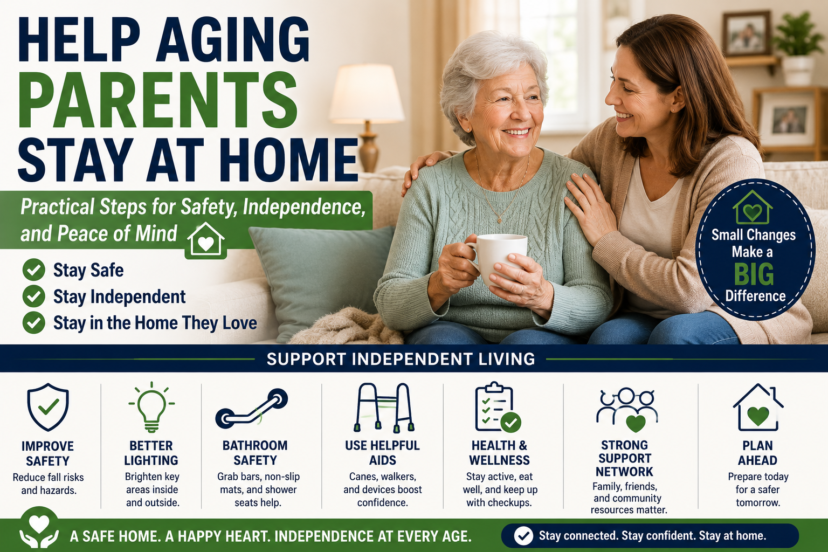
How to help aging parents stay at home? Helping an aging parent remain in the home they love is a goal shared by many families. Familiar surroundings, cherished memories, and established routines often contribute to better emotional well-being and a greater sense of independence.
If you’re looking for ways to help aging parents stay at home, you don’t necessarily need an expensive home renovation or around-the-clock caregiving. In many cases, a combination of thoughtful home improvements, simple safety upgrades, and regular support can make daily life much easier and safer.
The encouraging news is that planning ahead can reduce stress for everyone involved. Whether your parent is still active or beginning to experience mobility changes, taking small steps today can help prevent falls, improve confidence, and support healthy aging. This guide shares practical, affordable strategies that help older adults remain safe, comfortable, and independent at home while giving family caregivers greater peace of mind.
⭐ Quick Answer: How To Help Aging Parents Stay At Home
To help aging parents stay at home, focus on improving home safety, reducing fall hazards, adding assistive devices, supporting healthy daily routines, and creating a reliable network of family members, healthcare providers, and community resources. Small improvements made early can help older adults remain independent longer while reducing stress for caregivers.
Key Takeaways
Most Likely Cause: Many older adults want to remain at home but face increasing mobility, balance, or safety challenges as they age.
Usually Serious? It can become serious if fall hazards, medical needs, or accessibility concerns are ignored.
First Thing To Check: Walk through the home to identify fall risks, poor lighting, difficult stairs, and other everyday obstacles.
Best Solution: Take practical steps to help aging parents stay at home by improving safety, simplifying daily tasks, and planning for changing needs before an emergency occurs.
🏡 Why Aging In Place Matters
Most older adults prefer to remain in their own homes for as long as possible. Aging in place allows seniors to stay close to familiar neighbors, routines, and cherished memories while maintaining greater independence.
Benefits include:
- Increased comfort
- Greater independence
- Familiar surroundings
- Lower stress
- Stronger emotional well-being
- Continued community connections
With thoughtful planning, many families can safely support this goal.
🚶 1. Reduce Fall Hazards Throughout The Home
Falls remain one of the leading causes of injuries among older adults.
Start by removing common hazards such as:
- Loose rugs
- Electrical cords
- Cluttered walkways
- Slippery floors
- Low furniture
- Poor lighting
Clear pathways make everyday movement safer and easier.
💡 2. Improve Lighting In Every Room
Vision naturally changes with age, making good lighting increasingly important.
Focus on:
- Hallways
- Staircases
- Bathrooms
- Entryways
- Bedrooms
- Outdoor walkways
Simple upgrades include:
- Bright LED bulbs
- Motion-sensor lights
- Nightlights
- Under-cabinet lighting
Better visibility helps reduce falls and improves confidence.
🚿 3. Make The Bathroom Safer
Bathrooms present one of the highest fall risks.
Helpful improvements include:
- Grab bars
- Non-slip bath mats
- Raised toilet seats
- Shower chairs
- Handheld showerheads
- Walk-in tubs or walk-in showers when appropriate
Many of these upgrades are relatively affordable and can make a significant difference.
🛋️ 4. Simplify Daily Living
Reducing unnecessary physical effort helps preserve independence.
Consider:
- Storing frequently used items at waist height
- Removing unnecessary furniture
- Organizing kitchen cabinets
- Using lightweight cookware
- Installing lever-style door handles
Small adjustments make everyday tasks less tiring and safer.
❤️ 5. Encourage Regular Physical Activity
Staying active helps maintain:
- Strength
- Balance
- Flexibility
- Coordination
- Mobility
Activities may include:
- Walking
- Chair exercises
- Tai Chi
- Gentle stretching
- Water aerobics
Always consult a healthcare provider before beginning a new exercise routine.
🩺 6. Keep Up With Healthcare Appointments
Regular medical visits can identify issues before they become major problems.
Important checkups include:
- Vision exams
- Hearing tests
- Medication reviews
- Bone health evaluations
- Blood pressure monitoring
Managing health proactively supports long-term independence.
📱 7. Use Helpful Technology
Today’s technology can make caregiving easier without reducing independence.
Helpful tools include:
- Medical alert systems
- Video doorbells
- Smart lighting
- Medication reminders
- Voice assistants
- Video calling devices
These technologies help older adults stay connected while providing extra reassurance for family members.
🍎 8. Support Healthy Nutrition
Good nutrition helps maintain strength, energy, and overall health.
Encourage:
- Lean protein
- Fruits
- Vegetables
- Whole grains
- Healthy fats
- Plenty of water
If cooking becomes difficult, meal delivery services or community meal programs may help.
👨👩👧 9. Build A Reliable Support Network
No caregiver should feel they have to do everything alone.
Consider involving:
- Adult children
- Neighbors
- Friends
- Faith communities
- Senior centers
- Home care agencies
Even occasional assistance can reduce caregiver stress.
🚗 10. Plan For Transportation
Driving may eventually become more difficult.
Alternative transportation options include:
- Family rides
- Community senior transportation
- Ride-sharing services
- Public transit
- Volunteer driver programs
Reliable transportation helps maintain independence and social engagement.
🧹 11. Stay Ahead Of Home Maintenance
A well-maintained home is often a safer home.
Keep up with:
- HVAC servicing
- Gutter cleaning
- Walkway repairs
- Smoke detector testing
- Carbon monoxide detector batteries
- Handrail inspections
Preventive maintenance reduces future problems.
📋 12. Plan Before An Emergency Happens
Waiting until after a fall or hospitalization often creates unnecessary stress.
Instead:
- Discuss future care preferences
- Review emergency contacts
- Organize medications
- Keep important documents accessible
- Develop an emergency plan
Planning ahead allows everyone to make thoughtful decisions rather than rushed ones.
🌟 Small Changes Can Have A Big Impact
You don’t need to remodel the entire house overnight.
Many affordable improvements provide excellent value, including:
- Grab bars
- Better lighting
- Decluttering
- Stair handrails
- Medical alert systems
- Non-slip flooring
- Raised toilet seats
- Lever handles
These simple upgrades support safer aging in place.
👷 When To Consult A Professional
If your parent has experienced repeated falls, worsening mobility, memory changes, difficulty managing daily activities, or increasing safety concerns, consult a Certified Aging-in-Place Specialist (CAPS), occupational therapist, healthcare provider, licensed contractor, or home accessibility installer. These professionals can assess the home, recommend appropriate modifications, suggest assistive devices, and help create a personalized plan that supports long-term independence while meeting local building codes and safety standards.
❓ Frequently Asked Questions
1. How can I help my aging parent stay at home safely?
Improve home safety, remove fall hazards, install grab bars, encourage regular exercise, schedule routine healthcare visits, and build a reliable support network.
2. When should I start planning for aging in place?
The earlier, the better. Planning before significant mobility or health changes occur provides more options and reduces stress later.
3. What are the most important home modifications?
Grab bars, better lighting, non-slip flooring, stair handrails, and clear walkways are among the most valuable improvements.
4. Can technology help older adults stay independent?
Yes. New technology like medical alert systems, smart home devices, medication reminders, and video communication tools can improve safety and make caregiving easier.
5. What if my parent refuses help?
Start with conversations focused on maintaining independence rather than taking it away. Introduce small changes gradually and involve them in every decision whenever possible.
6. Is professional home care always necessary?
Not always. Many seniors remain independent with occasional family assistance, community services, and simple home safety improvements.
7. Who can perform a home safety assessment?
Certified Aging-in-Place Specialists (CAPS), occupational therapists, physical therapists, and qualified home accessibility professionals can evaluate the home and recommend personalized improvements.
🎯 Conclusion: How To Help Aging Parents Stay At Home
Learning how to help aging parents stay at home is one of the greatest gifts families can provide. With thoughtful planning, practical home safety improvements, and a strong support system, many older adults can continue enjoying the comfort and independence of their own homes for years to come.
Remember that successful aging in place doesn’t require perfection or expensive renovations. Small, consistent improvements—such as better lighting, safer bathrooms, regular health checkups, and ongoing family communication—can make a meaningful difference in both safety and quality of life. Taking action today can help your loved one remain confident, comfortable, and independent tomorrow.
Disclaimer
This article is for general informational purposes only and should not be considered medical, healthcare, or professional home accessibility advice. Always consult qualified healthcare providers, Certified Aging-in-Place Specialists (CAPS), occupational therapists, licensed contractors, or other appropriate professionals before making significant home modifications, selecting assistive equipment, or beginning new exercise programs. Follow local building codes and manufacturer instructions when installing accessibility or safety features.
 Explore more:
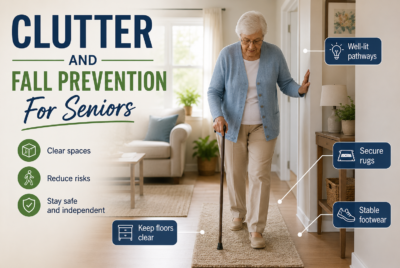
- Clutter And Fall Prevention For Seniors
- What Is The Walk-In Tub Cost?
- Best Mobility Aids For Seniors