
Clutter And Fall Prevention For Seniors: Why A Messy Home Becomes More Dangerous As You Age
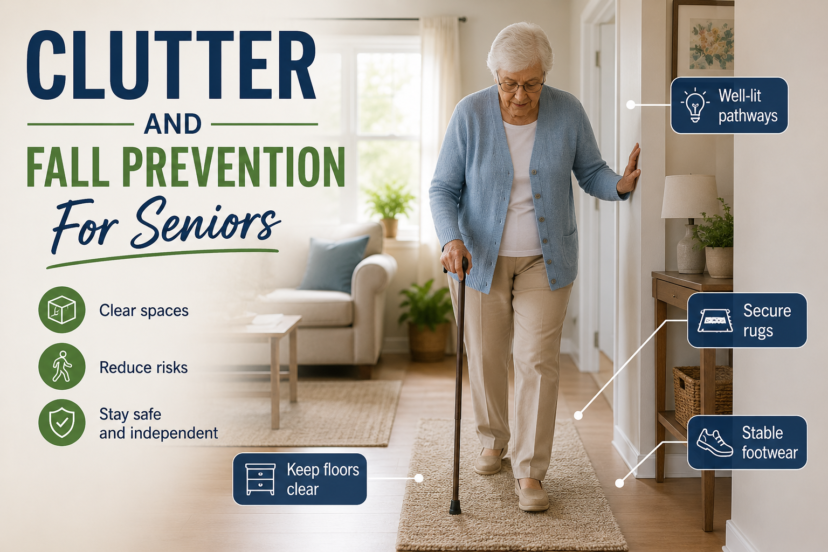
Growing older doesn’t mean giving up the comfort of your own home, but it does mean paying closer attention to everyday safety. One of the most overlooked hazards is clutter. Even items that seem harmless—such as stacks of magazines, loose cords, extra furniture, or shoes left by the door—can quickly become obstacles that increase the risk of serious falls. That’s why clutter and fall prevention for seniors should be a priority for anyone planning to age in place safely.
The encouraging news is that you don’t need an expensive home renovation or professional organizer to make a meaningful difference. Small, consistent changes can create wider walkways, improve mobility, reduce stress, and make daily activities easier. Whether you’re an older adult looking to stay independent or a caregiver helping a loved one, reducing clutter is one of the simplest and most affordable ways to create a safer, more comfortable home for years to come.
⭐ Quick Answer: Clutter And Fall Prevention For Seniors
Clutter and fall prevention for seniors go hand in hand because clutter increases the risk of trips, slips, and falls while making it harder to move safely around the home. Keeping walkways clear, improving organization, securing loose cords, and removing unnecessary items can significantly improve home safety, support independent living, and reduce stress for both seniors and caregivers.
Key Takeaways
Most Likely Cause: Everyday household items gradually accumulate and create hidden tripping hazards that are easy to overlook.
Usually Serious? Yes. Clutter can significantly increase the risk of falls, especially for older adults with balance, vision, or mobility challenges.
First Thing To Check: Walk through your home and identify objects, cords, rugs, or furniture that narrow walkways or create obstacles.
Best Solution: Improve clutter and fall prevention for seniors by removing unnecessary items, organizing storage, and keeping clear, well-lit walking paths throughout the home.
🏡 Why Clutter Becomes More Dangerous With Age
A cluttered room might seem like an inconvenience when you’re younger, but as you age, it can become a serious safety concern.
Natural changes that occur over time include:
- Reduced balance
- Slower reaction times
- Decreased muscle strength
- Vision changes
- Arthritis or joint stiffness
- Reduced flexibility
These changes make it harder to step over objects, recover from a stumble, or quickly avoid hazards.
What was once a minor obstacle can become the cause of a life-changing fall.
🚶 How Clutter Increases Fall Risks
Falls rarely happen because of one single factor. More often, they’re the result of several small hazards coming together.
Common clutter-related risks include:
- Shoes left on the floor
- Electrical cords across walkways
- Stacks of newspapers or magazines
- Storage boxes in hallways
- Pet toys
- Decorative baskets
- Small furniture in narrow pathways
- Unsecured throw rugs
Removing these hazards can immediately make your home safer.
🪑 Areas Of The Home That Need Extra Attention
Some rooms naturally collect more clutter than others.
Living Room
Watch for:
- Coffee tables blocking pathways
- Loose rugs
- Extension cords
- Decorative items on the floor
- Footstools left in walkways
Bedroom
Potential hazards include:
- Shoes beside the bed
- Clothing piles
- Low lighting
- Charging cables
- Narrow walking space
Kitchen
Look for:
- Items stored on the floor
- Overflowing countertops
- Frequently used appliances blocking workspace
Bathroom
Avoid:
- Towels on the floor
- Laundry baskets in walkways
- Slippery bath mats
- Excess toiletries around sinks
Garage And Entryways
These areas often accumulate:
- Gardening tools
- Sports equipment
- Boxes
- Seasonal decorations
- Wet shoes and boots
Keeping entrances clear reduces fall risks before you even enter the house.
✨ Benefits Of Decluttering For Seniors
Decluttering isn’t just about making your home look cleaner.
It also provides practical health and safety benefits.
These include:
- ✔ Lower fall risk
- ✔ Easier movement with walkers or canes
- ✔ Less physical strain
- ✔ Faster emergency access
- ✔ Improved cleaning
- ✔ Better lighting
- ✔ Reduced stress
- ✔ Greater independence
- ✔ Increased confidence
A tidy home often feels calmer and more enjoyable as well.
📦 Simple Decluttering Strategies That Work
You don’t need to clean the entire house in one weekend.
Instead, take small steps.
One Drawer At A Time
Choose a single drawer or shelf each day.
Small wins add up quickly.
Follow The “One-Year Rule”
If you haven’t used an item in over a year, consider donating or recycling it.
Create Clear Walking Paths
Aim for wide, obstacle-free pathways throughout the home.
Store Everyday Items Within Reach
Avoid climbing stools or bending excessively.
Keep commonly used items between waist and shoulder height.
Use Storage Bins
Clearly labeled containers help keep seasonal or rarely used items organized without cluttering living spaces.
💡 Combine Decluttering With Other Fall Prevention Strategies
Decluttering works even better when paired with other home safety improvements.
Consider adding:
- Brighter LED lighting
- Motion-sensor nightlights
- Grab bars
- Non-slip flooring
- Stair handrails
- Raised toilet seats
- Shower chairs
- Lever-style door handles
Together, these changes support safer aging in place.
❤️ Helping An Aging Parent Declutter
Many adult children worry about bringing up clutter with their parents.
The key is approaching the conversation with empathy rather than criticism.
Helpful tips include:
- Focus on safety instead of appearance.
- Work together instead of taking over.
- Respect sentimental belongings.
- Celebrate small progress.
- Set realistic goals.
- Offer help with donations or organizing.
Maintaining independence often becomes easier—not harder—after reducing clutter.
📋 Easy Weekly Home Safety Checklist
Once each week, take a few minutes to check for:
- ✅ Clear hallways
- ✅ Shoes put away
- ✅ Electrical cords secured
- ✅ Rugs lying flat
- ✅ Bright light bulbs working
- ✅ Bathroom floors dry
- ✅ Stairs free of objects
- ✅ Frequently used items within easy reach
This quick routine can help prevent hazards from gradually returning.
🌟 Why Small Changes Make A Big Difference
Many people assume improving home safety requires costly remodeling.
Fortunately, that’s rarely true.
Simple actions like removing clutter, improving organization, and creating wider walkways can greatly reduce everyday risks while making your home easier to maintain.
For many older adults, these small improvements provide greater confidence and peace of mind without changing the comfort or character of their home.
👷 When To Consult A Professional
If clutter has become overwhelming, or if you or your loved one has experienced repeated falls, worsening mobility, memory changes, or difficulty completing daily activities safely, it may be time to seek professional guidance. A Certified Aging-in-Place Specialist (CAPS), occupational therapist, healthcare provider, professional organizer with senior experience, or licensed contractor can recommend practical home modifications, accessibility improvements, and personalized safety strategies that support long-term independent living while meeting local building codes.
❓ Frequently Asked Questions
1. Why is clutter dangerous for seniors?
Clutter creates tripping hazards that increase the risk of falls, especially for older adults with reduced balance, vision changes, or limited mobility.
2. What rooms should seniors declutter first?
Focus on high-traffic areas such as hallways, bedrooms, bathrooms, kitchens, and entryways, where falls are most likely to occur.
3. How often should seniors declutter their homes?
A quick weekly safety check and seasonal decluttering sessions can help prevent clutter from building up again.
4. Does removing clutter really reduce fall risk?
Yes. Clear walkways and organized living spaces make it easier to move safely and reduce common trip hazards.
5. Should loose rugs be removed?
Loose or curled rugs are a common cause of falls. Remove them or secure them with non-slip backing if they must remain.
6. What if an older adult doesn’t want to get rid of belongings?
Focus on safety rather than appearance. Start with obvious hazards and respect sentimental items while finding safer storage solutions.
7. Are professional home safety assessments worth it?
Yes. A Certified Aging-in-Place Specialist (CAPS) or occupational therapist can identify hidden hazards and recommend improvements tailored to your specific needs.
🎯 Conclusion: Clutter And Fall Prevention For Seniors
A safer home doesn’t have to be a perfect home. By reducing clutter a little at a time, you can lower fall risks, simplify daily routines, and make your living space more comfortable and enjoyable. Even small changes—such as clearing walkways, organizing frequently used items, and improving lighting—can have a lasting impact on safety and independence.
Whether you’re preparing your own home or helping a loved one age in place, prioritizing clutter and fall prevention for seniors is one of the smartest, most affordable investments you can make. Every obstacle removed today is one less hazard tomorrow, helping support confidence, comfort, and independent living for years to come.
Disclaimer
This article is for general informational purposes only and should not be considered medical, healthcare, home accessibility, or professional advice. Always consult qualified healthcare providers, Certified Aging-in-Place Specialists (CAPS), occupational therapists, licensed contractors, or other appropriate professionals before making significant home modifications or beginning new exercise programs. Follow local building codes and manufacturer instructions when installing accessibility or safety equipment.
 Explore more:




Comments are closed.