Fall Prevention For Seniors: How To Prevent Falls In Older Adults At Home
What do you need to know about fall prevention for seniors? For many older adults, staying at home means maintaining independence, dignity, and the comfort of familiar surroundings. But as we age, simple daily activities can become more challenging, and falls can quickly change a person’s quality of life.
The encouraging news is that many falls are preventable.
In fact, small changes around the home and a few healthy habits can significantly reduce risks without requiring expensive renovations or major lifestyle changes.
Whether you’re protecting yourself or helping an aging parent, these practical fall prevention strategies for seniors can create a safer, more comfortable home and provide peace of mind for the entire family.
⭐ Quick Answer: Fall Prevention For Seniors
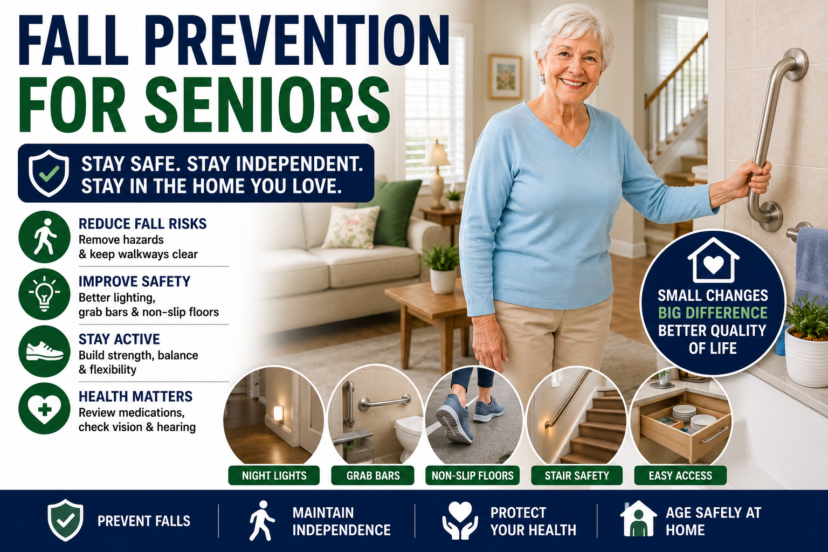
Fall prevention for seniors involves reducing home hazards, improving lighting, staying physically active, wearing supportive footwear, reviewing medications, and adding simple safety upgrades like grab bars and non-slip mats.
Key Takeaways
Most likely cause: Most falls result from a combination of age-related changes in balance, strength, vision, medications, and common household hazards such as poor lighting or slippery floors.
Usually serious? It can be. Falls are a leading cause of injury among older adults and may affect mobility, confidence, and long-term independence.
First thing to check: Inspect the home for trip hazards, poor lighting, loose rugs, cluttered walkways, slippery bathrooms, and consider whether medications or balance problems may be increasing fall risk.
Best solution: Improve fall prevention for seniors by staying physically active, wearing supportive footwear, removing household hazards, installing grab bars and non-slip mats, and reviewing medications with a healthcare professional when appropriate.
🏡 Why Fall Prevention For Seniors Matters
According to the CDC, millions of older adults experience falls every year in the United States.
Falls can lead to:
- Broken bones
- Head injuries
- Reduced confidence
- Loss of independence
- Longer recovery times
- Increased caregiver stress
The goal of fall prevention for seniors is not only to avoid injuries but also to help older adults continue enjoying life with confidence and independence.
⚠ Common Causes Of Falls In Older Adults
Understanding the causes can help families take action early.
Common risk factors include:
- Poor lighting
- Loose rugs
- Cluttered pathways
- Slippery floors
- Balance problems
- Muscle weakness
- Arthritis
- Vision changes
- Medication side effects
- Improper footwear
Fortunately, many of these issues can be addressed with simple solutions.
💡 Improve Lighting Throughout The Home
Poor visibility contributes to many accidents.
Use Brighter LED Bulbs
Good lighting helps seniors:
- Identify obstacles
- Improve depth perception
- Navigate stairs more safely
Add Motion-Sensor Lights
These are especially helpful in:
- Hallways
- Bathrooms
- Entryways
- Bedrooms
Install Night Lights
Nighttime bathroom trips are one of the most common times falls occur.
Small night lights can make a big difference.
🚶 Keep Walkways Clear
Clutter increases tripping risks.
Remove:
- Electrical cords
- Shoes
- Small furniture
- Boxes
- Magazines and newspapers
Creating wider, clear pathways makes moving around easier and safer.
🛁 Improve Bathroom Safety
Bathrooms are one of the most dangerous rooms for older adults.
Install Grab Bars
Place grab bars:
- Inside showers
- Near bathtubs
- Beside toilets
Add Non-Slip Mats
Slip-resistant surfaces help improve traction.
Consider A Shower Chair
Shower chairs provide additional stability and comfort.
Use A Handheld Shower Head
These are easier to use for people with mobility challenges.
👟 Wear Supportive Shoes
Footwear matters more than many people realize.
Choose shoes with:
- Non-slip soles
- Good arch support
- Closed backs
- Proper fit
Avoid:
- Slippers without support
- Loose sandals
- Walking in socks on smooth floors
Good footwear is an important part of fall prevention for seniors.
💪 Stay Physically Active
Regular movement helps maintain:
- Muscle strength
- Balance
- Coordination
- Flexibility
Popular senior-friendly activities include:
- Walking
- Tai Chi
- Water aerobics
- Chair exercises
- Balance exercises
Even small amounts of activity can provide benefits.
🩺 Review Medications Regularly
Some medications may cause:
- Dizziness
- Fatigue
- Balance problems
Schedule regular medication reviews with healthcare providers.
Bring:
- Prescription medications
- Over-the-counter medicines
- Vitamins and supplements
A medication review may help identify possible risks.
👓 Protect Vision And Hearing
Vision and hearing changes can increase fall risks.
Helpful steps include:
- Annual eye exams
- Updating eyeglass prescriptions
- Wearing hearing aids when needed
- Improving home lighting
Good sensory health supports better balance and awareness.
🏠 Add Simple Home Safety Upgrades
Many fall prevention improvements are inexpensive.
Popular upgrades include:
Grab Bars
Provide support where needed most.
Lever Door Handles
Easier for people with arthritis.
Raised Toilet Seats
Make standing and sitting easier.
Handrails On Both Sides Of Stairs
Provide additional support and confidence.
Non-Slip Flooring
Reduce slipping hazards throughout the home.
❤️ Don’t Ignore Fear Of Falling
Many seniors become less active after a fall or even after experiencing a close call.
Unfortunately, avoiding movement can lead to:
- Muscle loss
- Reduced balance
- Greater fall risk
Encouraging safe activity and building confidence are important parts of fall prevention for seniors.
🚨 Warning Signs That Fall Risks Are Increasing
Watch for:
- Holding onto furniture while walking
- Trouble standing from chairs
- Frequent stumbling
- Fear of using stairs
- Previous falls
- Difficulty entering the bathtub
- Reduced physical activity
Addressing problems early often prevents larger issues later.
👨🔧 When To Consult A Professional
Some situations require expert guidance.
Consider consulting:
- Certified Aging-In-Place Specialists (CAPS)
- Occupational therapists
- Physical therapists
- Healthcare providers
- Home accessibility contractors
Professional help may be especially valuable when:
- Falls have already occurred.
- Mobility limitations are increasing.
- Wheelchair access is needed.
- Major home modifications are being considered.
- Balance problems are becoming worse.
These professionals can recommend personalized solutions based on individual needs.
❓ FAQs: Fall Prevention For Seniors
What is the biggest cause of falls in seniors?
Falls are often caused by a combination of balance problems, poor lighting, medications, and home hazards.
How can seniors reduce fall risks at home?
Removing hazards, improving lighting, using grab bars, and staying physically active can help.
What room is most dangerous for seniors?
Bathrooms are one of the highest-risk areas because of wet and slippery surfaces.
Are falls a normal part of aging?
No. While fall risk increases with age, many falls are preventable.
Do grab bars really help prevent falls?
Yes. Properly installed grab bars provide additional support and stability.
What exercises help prevent falls?
Walking, Tai Chi, balance exercises, and strength training are commonly recommended.
Should seniors use medical alert systems?
Many families find that medical alert devices provide additional peace of mind.
📌 Final Thoughts
Fall prevention for seniors isn’t about making life restrictive—it’s about making life safer.
Small changes made today can help older adults remain independent, confident, and comfortable for years to come.
You don’t need expensive renovations or complicated solutions to create a safer home.
Sometimes the simplest improvements provide the greatest protection and peace of mind for the entire family.
Disclaimer
This article is for informational purposes only and is not a substitute for professional medical, healthcare, or home accessibility advice. Always follow local building codes and consult qualified healthcare providers, contractors, or Certified Aging-In-Place Specialists before making significant home modifications or beginning exercise programs.
 Explore more: