Senior-Friendly Home Design: 15 Smart Ideas For A Safer, More Comfortable Home
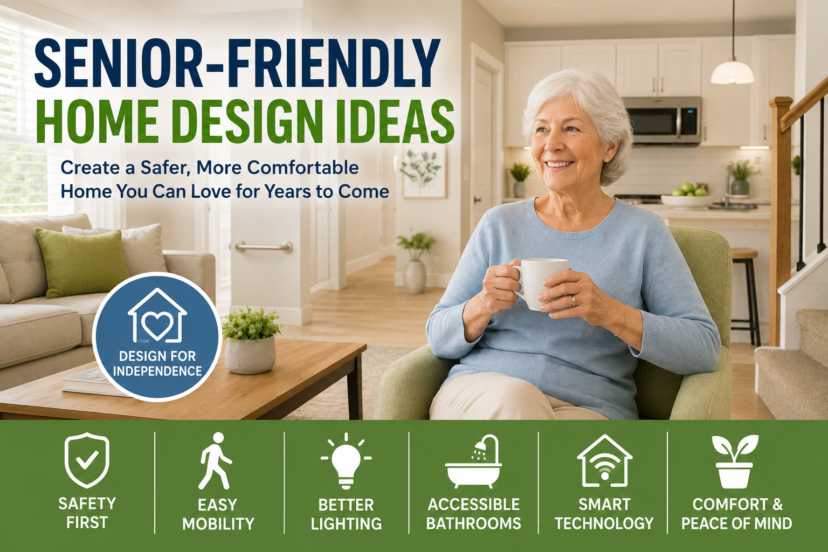
Growing older doesn’t mean giving up the comfort of home. In fact, with thoughtful planning and a few practical improvements, a home can become even safer, easier to navigate, and more enjoyable for years to come. Whether you’re planning ahead for yourself or helping an aging parent, senior-friendly home design focuses on creating living spaces that reduce fall risks, improve mobility, and make everyday activities less stressful. The best part is that many improvements are affordable and don’t require major remodeling.
Simple upgrades like better lighting, wider walkways, non-slip flooring, and easier-to-use fixtures can make a significant difference in maintaining independence and quality of life.
Let’s explore how thoughtful home design can help older adults remain safe, comfortable, and confident while aging in place.
⭐ Quick Answer: Senior-Friendly Home Design
Senior-friendly home design creates safer, easier-to-use living spaces by improving lighting, reducing fall hazards, increasing accessibility, and simplifying everyday tasks. Small updates like grab bars, non-slip flooring, lever door handles, better storage, and smart home technology can help older adults stay independent without expensive renovations.
Key Takeaways
Most likely cause: Many homes were designed without considering age-related changes in mobility, balance, vision, and strength, making everyday activities more difficult and increasing fall risks.
Usually serious? It can be. An unsafe home environment may contribute to falls, injuries, and a gradual loss of independence if hazards are not addressed.
First thing to check: Walk through each room to identify trip hazards, poor lighting, hard-to-reach storage, narrow pathways, slippery flooring, and areas that lack sturdy support.
Best solution: Create a senior-friendly home design by improving lighting, removing fall hazards, adding accessibility features such as grab bars and lever handles, and making everyday spaces easier and safer to use.
🏡 Why Senior-Friendly Home Design Matters
A home that worked perfectly twenty years ago may present new challenges as mobility, vision, balance, and strength change over time.
Good senior-friendly home design helps older adults:
- Stay independent longer
- Reduce fall risks
- Improve confidence
- Make daily activities easier
- Lower caregiver stress
- Support healthy aging
- Enjoy greater comfort
Rather than reacting after an accident happens, thoughtful design helps prevent problems before they occur.
💡 Improve Lighting Throughout The Home
One of the easiest improvements is upgrading the home’s lighting.
As we age, our eyes often need more light to see clearly.
Helpful improvements include:
- ✔ LED bulbs with bright, natural light
- ✔ Motion-activated night lights
- ✔ Stair lighting
- ✔ Under-cabinet kitchen lights
- ✔ Outdoor pathway lighting
- ✔ Porch lighting
Well-lit spaces reduce trips, falls, and eye strain.
🚶 Create Wide, Clear Walkways
Walking paths should be simple and obstacle-free.
Look around every room and remove:
- Loose rugs
- Electrical cords
- Small furniture
- Decorative clutter
- Storage boxes
- Unstable tables
Aim for pathways that comfortably accommodate walkers, canes, or wheelchairs if needed in the future.
Planning ahead is one of the smartest parts of senior-friendly home design.
🚿 Design A Safer Bathroom
Bathrooms are one of the highest-risk areas for falls.
Install Grab Bars
Secure grab bars should be installed:
- Near toilets
- Inside showers
- At bathtub entrances
Choose Non-Slip Flooring
Avoid glossy tile whenever possible.
Textured flooring provides better traction.
Add A Walk-In Shower
Walk-in showers reduce the need to step over high bathtub walls.
Install A Comfort-Height Toilet
Slightly taller toilets are easier on knees and hips.
🚪 Choose Easy-To-Use Doors And Hardware
Small changes can make a home much easier to use.
Consider:
- Lever door handles
- Easy-grip cabinet pulls
- Soft-close drawers
- Sliding pocket doors
- Keyless smart locks
These features are especially helpful for people with arthritis or limited hand strength.
🍽️ Design A More Accessible Kitchen
The kitchen should reduce bending, stretching, and reaching.
Helpful ideas include:
- Pull-out pantry shelves
- Lazy Susan cabinets
- Soft-close drawers
- D-shaped cabinet handles
- Frequently used dishes at waist height
- Lightweight cookware
- Easy-to-read appliance controls
A well-designed kitchen makes meal preparation safer and less tiring.
🛋️ Select Comfortable, Supportive Furniture
Furniture should support safe movement.
Choose:
- Chairs with firm cushions
- Higher seat heights
- Stable armrests
- Rounded furniture corners
- Sturdy dining chairs
Avoid overly soft couches that are difficult to stand up from.
🪜 Make Stairs Safer
Many homes include stairs that can become more difficult over time.
Improve stair safety with:
- Handrails on both sides
- Bright overhead lighting
- Non-slip stair treads
- High-contrast stair edges
- Clear landings
If climbing stairs becomes difficult, consider moving essential living spaces to the main floor.
🌡️ Improve Comfort With Smart Home Technology
Technology has become an important part of senior-friendly home design.
Helpful devices include:
- Voice assistants
- Smart lighting
- Video doorbells
- Smart thermostats
- Medication reminders
- Emergency alert systems
- Leak detectors
These devices improve convenience while helping older adults remain independent.
🚗 Don’t Forget Outdoor Spaces
Safe outdoor areas encourage activity and independence.
Look for:
- Smooth walkways
- Even pavement
- Handrails
- Good drainage
- Bright exterior lighting
- Easy-to-maintain landscaping
Outdoor improvements reduce fall risks while making it easier to enjoy fresh air and social activities.
📦 Design For The Future
One of the biggest advantages of senior-friendly home design is planning ahead.
Consider future needs by:
- Reinforcing bathroom walls for future grab bars
- Installing wider doorways during renovations
- Choosing no-step entrances
- Adding rocker light switches
- Leaving room for mobility devices
These changes may not seem necessary today but can become invaluable later.
❤️ Small Changes Add Up
Many families assume they need a complete remodel.
In reality, small improvements often have the greatest impact.
Affordable upgrades include:
- ✔ Better lighting
- ✔ Lever handles
- ✔ Grab bars
- ✔ Raised toilet seats
- ✔ Non-slip rugs
- ✔ Smart speakers
- ✔ Motion-sensor lights
- ✔ Furniture rearrangement
Even one improvement can make daily life noticeably easier.
👨⚕️ When To Consult A Professional
While many home improvements are simple DIY projects, some situations require expert guidance. Consider consulting a Certified Aging-in-Place Specialist (CAPS), occupational therapist, licensed contractor, home accessibility installer, or healthcare provider if an older adult has frequent falls, significant mobility limitations, vision changes, or complex medical conditions. Professionals can recommend personalized solutions and safely complete projects such as ramps, stair lifts, bathroom renovations, widened doorways, or structural modifications while ensuring compliance with local building codes.
❓ FAQs: Senior-Friendly Home Design
1. What is senior-friendly home design?
Senior-friendly home design focuses on creating safe, accessible, and comfortable living spaces that support independence as people age.
2. What are the most important home safety improvements for seniors?
Better lighting, grab bars, non-slip flooring, clear walkways, sturdy handrails, and improved bathroom safety are among the most effective upgrades.
3. Is senior-friendly home design expensive?
Not necessarily. Many improvements—such as removing clutter, improving lighting, installing lever handles, and adding grab bars—are relatively affordable.
4. Can smart home devices help older adults?
Yes. Voice assistants, smart lighting, video doorbells, and medical alert systems can improve safety, convenience, and peace of mind.
5. How can I make my parents’ home safer without remodeling?
Focus on lighting, fall prevention, furniture arrangement, grab bars, non-slip mats, and removing obstacles from walkways.
6. Should I future-proof my home before mobility problems develop?
Yes. Planning ahead often costs less than making emergency modifications later and allows seniors to remain independent longer.
7. Who can assess whether a home is safe for aging in place?
Certified Aging-in-Place Specialists (CAPS), occupational therapists, home accessibility professionals, and healthcare providers can perform comprehensive safety assessments.
🎯 Final Thoughts
Creating a safer home doesn’t require a complete renovation or a large budget. The best senior-friendly home design combines practical improvements with thoughtful planning to support independence, comfort, and confidence.
By improving lighting, reducing fall hazards, simplifying everyday tasks, and planning for future needs, older adults and caregivers can create homes that are safer, easier to maintain, and more enjoyable for years to come. Every small change—from installing a grab bar to upgrading lighting—helps build a home that supports healthy aging and allows seniors to continue living where they feel happiest.
Disclaimer: This article is for general informational purposes only and is not a substitute for professional medical, healthcare, or home accessibility advice. Always consult qualified healthcare providers, Certified Aging-in-Place Specialists (CAPS), licensed contractors, occupational therapists, or other appropriate professionals before making significant home modifications, addressing mobility concerns, or beginning new exercise or rehabilitation programs. Follow local building codes and manufacturer recommendations when installing accessibility or safety features.
 Explore more:
- Help Aging Parents Stay At Home
- Kitchen Modifications For Aging In Place
- Best Shoes For Seniors To Prevent Falls