Aging In Place Home Modifications: 15 Small Home Changes That Can Make Aging In Place Much Easier
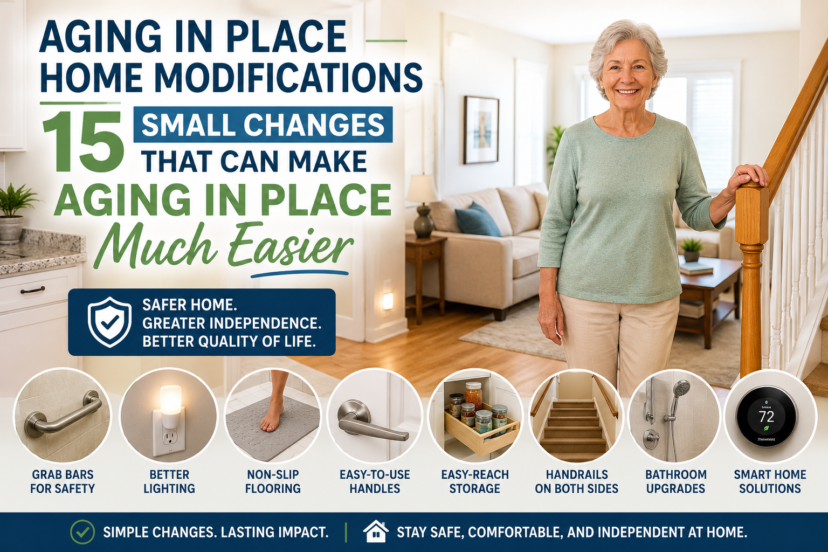
Growing older doesn’t have to mean leaving the home you love. In fact, many older adults can continue living safely and independently for years with just a few thoughtful updates. The good news is that aging in place home modifications don’t always require major remodeling or a huge budget.
Whether you’re planning ahead for yourself or helping an aging parent, small improvements can reduce fall risks, simplify daily tasks, and make every room more comfortable. Many of these changes can be completed in a single afternoon while providing lasting peace of mind.
The goal isn’t to turn a home into a hospital—it’s to create a welcoming space that supports independence, confidence, and quality of life for years to come.
⭐ Quick Answer: Aging In Place Home Modifications
Aging in place home modifications are simple or major home improvements designed to help older adults live safely and independently. Small upgrades like brighter lighting, grab bars, non-slip flooring, lever door handles, and better organization can significantly reduce fall risks while making everyday activities easier without expensive renovations.
Key Takeaways
Most likely cause: Everyday home features such as poor lighting, slippery floors, stairs, and hard-to-reach storage become more challenging as mobility, balance, and strength naturally change with age.
Usually serious? No. Most homes can be made significantly safer with aging in place home modifications, helping reduce fall risks and support long-term independence without major renovations.
First thing to check: Walk through your home and identify areas where falls or daily tasks are most likely to be difficult, especially bathrooms, stairways, entryways, and frequently used pathways.
Best solution: Prioritize practical safety upgrades such as improved lighting, grab bars, non-slip flooring, handrails, lever-style handles, and better organization to create a safer, more accessible home that remains comfortable for years to come.
🏡 Why Aging In Place Home Modifications Matter
Most older adults in the United States prefer to remain in their own homes as they age. Familiar surroundings provide comfort, preserve routines, and often improve emotional well-being.
However, homes that worked well decades ago may gradually become more difficult to navigate because of:
- Reduced balance
- Limited mobility
- Arthritis or joint stiffness
- Vision changes
- Slower reaction times
- Decreased strength
Fortunately, many aging in place home modifications address these challenges before they become major safety concerns.
🚶 Benefits Of Aging In Place Home Modifications
Making proactive improvements offers numerous advantages.
Better Safety
Simple upgrades reduce slips, trips, and falls—the leading cause of injury among older adults.
Greater Independence
Small changes allow seniors to continue completing everyday activities without unnecessary assistance.
Lower Stress
Both older adults and family caregivers often feel more confident knowing the home is safer.
More Comfort
Everyday activities become less physically demanding.
Potential Cost Savings
Many inexpensive improvements may help delay or reduce the need for assisted living or extensive home renovations.
🔧 15 Small Aging In Place Home Modifications That Make A Big Difference
1. Improve Lighting Throughout The Home
Good lighting is one of the easiest safety upgrades.
Consider:
- LED bulbs with daylight brightness
- Motion-sensor lights
- Nightlights in hallways
- Under-cabinet kitchen lighting
- Well-lit stairways
Better visibility helps reduce trips and makes everyday tasks easier.
2. Install Grab Bars In Key Areas
Grab bars provide stability when standing or changing positions.
Best locations include:
- Inside showers
- Near bathtubs
- Beside toilets
- Garage entry steps
Choose professionally installed grab bars that support body weight.
3. Remove Loose Rugs
Area rugs are a common trip hazard.
Instead:
- Remove small throw rugs
- Use non-slip rug pads
- Secure carpet edges
- Keep floors clutter-free
This simple aging in place home modification often takes only minutes.
4. Replace Round Doorknobs With Lever Handles
Arthritis can make twisting knobs painful.
Lever handles are easier to operate using:
- Hands
- Elbows
- Forearms
They improve accessibility throughout the home.
5. Add Non-Slip Flooring
Bathrooms, kitchens, and entryways become slippery when wet.
Options include:
- Non-slip vinyl flooring
- Textured tile
- Non-slip bath mats
- Anti-slip stair treads
6. Organize Frequently Used Items
Avoid unnecessary reaching or climbing.
Store everyday items:
- Between waist and shoulder height
- In easy-to-open drawers
- Near work areas
- Within comfortable reach
Less bending means fewer opportunities for injury.
7. Install Handrails On Both Sides Of Stairs
Many homes only have one stair railing.
Adding a second handrail provides:
- Better balance
- Increased confidence
- Extra support when carrying items
8. Upgrade Bathroom Fixtures
Bathrooms account for many household falls.
Helpful improvements include:
- Raised toilet seats
- Handheld showerheads
- Walk-in showers
- Shower benches
- Anti-scald faucets
These aging in place home modifications greatly improve daily safety.
9. Reduce Clutter
Clear walking paths throughout every room.
Pay attention to:
- Electrical cords
- Shoes
- Decorative baskets
- Magazine stacks
- Pet toys
Even small obstacles can become dangerous.
10. Install Motion-Sensor Light Switches
Automatic lighting eliminates searching for switches in the dark.
They’re especially useful in:
- Hallways
- Bathrooms
- Laundry rooms
- Closets
- Garages
11. Use Easy-To-Reach Storage Solutions
Replace difficult storage areas with:
- Pull-out shelves
- Lazy Susans
- Soft-close drawers
- Slide-out pantry organizers
These changes reduce bending and awkward reaching.
12. Upgrade Entryways
Safe entrances make coming and going much easier.
Consider:
- Wider walkways
- Bright porch lighting
- Stable railings
- Low-threshold doorways
- Slip-resistant steps
13. Improve Furniture Layout
Arrange furniture to create wide walking paths.
Aim for:
- Clear hallways
- Easy access to favorite chairs
- Plenty of room for walkers or canes
- Open pathways to bathrooms
Simple rearranging often costs nothing.
14. Add Smart Home Technology
Modern technology can improve independence without being complicated.
Helpful options include:
- Video doorbells
- Smart thermostats
- Voice assistants
- Smart plugs
- Medication reminders
These tools can make daily living easier while offering reassurance to family members.
15. Upgrade Seating
Low, soft furniture becomes harder to use over time.
Choose chairs with:
- Firm cushions
- Supportive backs
- Stable armrests
- Appropriate seat height
Standing becomes easier while reducing strain on the knees and hips.
⭐ Creating A Long-Term Aging In Place Plan
The best aging in place home modifications are made before they’re urgently needed.
Start by walking through the home room by room.
Ask questions like:
- Is there enough lighting?
- Could someone trip here?
- Are commonly used items easy to reach?
- Is the bathroom easy to use safely?
- Would stairs become difficult in the future?
Addressing small concerns today can prevent larger problems tomorrow.
💰 Budget-Friendly Aging In Place Home Modifications
Not every improvement requires professional remodeling.
Affordable ideas include:
- ✔ LED light bulbs
- ✔ Motion-sensor nightlights
- ✔ Non-slip bath mats
- ✔ Cabinet organizers
- ✔ Lever-style handles
- ✔ Furniture rearrangement
- ✔ Cord organizers
- ✔ Stair tread tape
- ✔ Raised toilet seats
- ✔ Easy-grip kitchen tools
Many families complete several of these projects over a single weekend.
🧰 Room-By-Room Priorities
If you’re unsure where to begin, focus on the areas used most often.
Bathroom
- Grab bars
- Non-slip flooring
- Shower chair
- Better lighting
Kitchen
- Pull-out shelves
- Frequently used items within reach
- Bright task lighting
Bedroom
- Nightlights
- Easy access to the bathroom
- Stable bedside table
Living Room
- Clear walking paths
- Firm seating
- Cord management
Entryway
- Good lighting
- Railings
- Slip-resistant surfaces
👷 When To Consult A Professional
While many aging-in-place home modifications are simple DIY projects, some situations require professional guidance. Consider consulting a qualified expert if mobility limitations are increasing, falls have already occurred, or major structural changes are needed.
Professionals who may help include:
- Certified Aging-in-Place Specialists (CAPS) for personalized home safety recommendations.
- Occupational Therapists to evaluate daily activities and recommend accessibility solutions.
- Licensed Contractors experienced in accessibility remodeling.
- Home Accessibility Installers for grab bars, ramps, stair lifts, and other safety equipment.
- Healthcare Providers if balance problems, dizziness, vision changes, or other medical conditions are affecting mobility.
Professional advice can help ensure modifications are safe, effective, and appropriate for your individual needs.
❓ FAQs: Aging In Place Home Modifications
1. What are aging in place home modifications?
They are home improvements that help older adults remain safe, comfortable, and independent while continuing to live in their own homes.
2. What is the most important aging in place home modification?
Improving fall prevention is often the highest priority. Better lighting, grab bars, removing trip hazards, and non-slip flooring are among the most effective first steps.
3. Are aging in place home modifications expensive?
Not necessarily. Many helpful improvements, such as brighter lighting, lever door handles, and removing clutter, are inexpensive and can make a meaningful difference.
4. Which room should I modify first?
The bathroom is usually the best place to start because it combines slippery surfaces, hard fixtures, and frequent movement, making it one of the highest-risk areas for falls.
5. Can I make these changes myself?
Many smaller projects are suitable for DIY homeowners. However, structural work, electrical projects, grab bar installation, and accessibility renovations should often be completed by qualified professionals.
6. How do I know what modifications are needed?
Walk through the home while looking for fall hazards, difficult-to-reach areas, poor lighting, and activities that require excessive bending, climbing, or balancing.
7. When should someone start planning for aging in place?
Earlier, 55- 65 is generally better. Making gradual improvements before mobility changes occur allows older adults to remain independent longer and reduces the need for rushed renovations later.
🎯 Final Thoughts
Creating a safer home doesn’t require a complete remodel. Often, the smallest improvements deliver the biggest benefits. Better lighting, safer bathrooms, organized storage, supportive furniture, and thoughtful accessibility upgrades can dramatically improve everyday comfort and confidence.
The best aging in place home modifications help older adults continue enjoying the familiarity of home while reducing risks and supporting independence. By making one small change at a time, families can create living spaces that are safer, easier to navigate, and better prepared for the years ahead.
Every improvement—no matter how simple—is an investment in safety, dignity, and a better quality of life.
Disclaimer: This article is for general informational purposes only and should not be considered medical, healthcare, or professional home accessibility advice. Always follow local building codes and consult qualified healthcare providers, licensed contractors, occupational therapists, or Certified Aging-in-Place Specialists (CAPS) before making significant home modifications or beginning new exercise or mobility programs.
 Explore more: