Kitchen Modifications For Aging In Place: Smart Changes For A Safer And More Independent Home
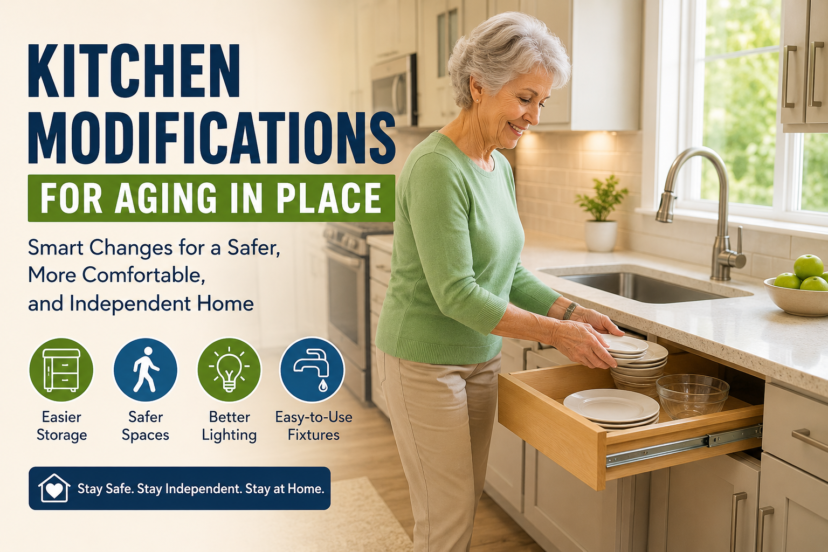
What are the best kitchen modifications for aging in place? Growing older doesn’t mean giving up the comfort of home. For many older adults, the kitchen remains the heart of daily life—a place for preparing meals, gathering with family, and maintaining routines that provide a sense of independence.
However, kitchens can also present challenges. Reaching high cabinets, bending down to access cookware, slippery floors, and poor lighting may increase the risk of falls and injuries.
Fortunately, kitchen modifications for aging in place don’t have to involve expensive renovations. Small, practical improvements can make cooking easier, safer, and less stressful while helping seniors remain independent for years to come.
Whether you’re planning ahead for yourself or helping an aging parent, creating a senior-friendly kitchen can improve quality of life and provide valuable peace of mind.
⭐ Quick Answer: Kitchen Modifications For Aging In Place
Kitchen modifications for aging in place focus on improving safety, accessibility, and convenience. Common upgrades include better lighting, pull-out shelves, lever-style faucets, slip-resistant flooring, lower storage areas, and easy-to-use appliances that help seniors remain independent at home.
Key Takeaways
Most likely cause: Many kitchens were not designed to accommodate age-related changes in mobility, strength, balance, and reach, making everyday cooking tasks more difficult and potentially unsafe.
Usually serious? It can be. Poor kitchen design may increase the risk of falls, burns, cuts, and other injuries while reducing confidence and independence.
First thing to check: Look for common hazards such as poor lighting, slippery flooring, hard-to-reach cabinets, cluttered countertops, and appliances or fixtures that are difficult to use.
Best solution: Make practical kitchen modifications for aging in place by improving lighting, installing pull-out shelves, using slip-resistant flooring, lowering frequently used storage, adding lever-style faucets, and choosing easy-to-use appliances that support safe, independent living.
🏡 Why Kitchen Modifications For Aging In Place Matter
The kitchen is one of the most frequently used areas of the home. Unfortunately, it is also a common location for falls, burns, and overexertion injuries among older adults.
Kitchen modifications for aging in place can help:
- Reduce fall risks
- Improve accessibility
- Minimize bending and reaching
- Support mobility limitations
- Make meal preparation less stressful
- Encourage continued independence
- Improve confidence and quality of life
Many seniors want to remain in their homes for as long as possible. Creating a safer kitchen environment can make that goal more realistic.
🔆 Improve Lighting For Better Visibility
As eyesight naturally changes with age, proper lighting becomes increasingly important.
Consider adding:
- Under-cabinet LED lighting
- Bright overhead fixtures
- Motion-sensor night lights
- Task lighting near food preparation areas
- Easy-to-reach light switches
Good lighting can help prevent accidents and make everyday activities easier.
Use Contrasting Colors
Contrast between countertops, cabinets, and flooring may help older adults with reduced vision identify edges and surfaces more easily.
🚶 Choose Slip-Resistant Flooring
Falls are one of the biggest concerns in any aging-in-place home.
Safer flooring options include:
- Luxury vinyl plank flooring
- Cork flooring
- Textured vinyl surfaces
- Low-pile flooring materials
Avoid:
- Highly polished tile
- Thick area rugs
- Uneven flooring transitions
Kitchen modifications for aging in place should always prioritize stable walking surfaces.
🗄️ Make Storage Easier To Reach
Repeated bending and stretching can become difficult over time.
Helpful storage upgrades include:
Install Pull-Out Shelves
Pull-out drawers make it easier to access:
- Pots and pans
- Small appliances
- Food containers
- Cleaning supplies
Store Frequently Used Items At Waist Height
Keeping daily items within easy reach reduces unnecessary strain.
Good examples include:
- Coffee makers
- Plates and bowls
- Cooking utensils
- Everyday spices
Use Lazy Susans
Rotating trays inside cabinets can make storage areas easier to access.
🍳 Select Senior-Friendly Appliances
Modern appliances can simplify daily tasks and reduce injury risks.
Useful options include:
Side-Opening Ovens
These may reduce awkward reaching and lower the risk of burns.
Induction Cooktops
Induction surfaces stay cooler than traditional burners and may improve safety.
Refrigerators With Bottom Freezers
These places frequently use items at eye level.
Microwaves Installed At Counter Height
Avoid placing microwaves above the stove where reaching overhead could become dangerous.
Kitchen modifications for aging in place often focus on making appliances easier and safer to use.
🚰 Upgrade Faucets And Hardware
Arthritis and reduced hand strength can make traditional knobs difficult to operate.
Helpful solutions include:
- Lever-style faucets
- Touchless faucets
- D-shaped cabinet handles
- Easy-grip drawer pulls
These small upgrades can significantly improve comfort.
🪑 Create Comfortable Seating Areas
Standing for long periods can become tiring.
Consider:
- Adjustable-height stools
- Chairs with arms for support
- Small seating areas for food preparation tasks
Some seniors find that sitting while preparing meals helps conserve energy and reduce pain.
📏 Lower Physical Strain During Daily Tasks
Kitchen modifications for aging in place should reduce unnecessary movement.
Helpful strategies include:
Keep Heavy Items Nearby
Store heavy cookware in lower pull-out drawers rather than overhead cabinets.
Use Lightweight Kitchen Tools
Examples include:
- Lightweight pans
- Electric can openers
- Jar openers
- Ergonomic utensils
Reduce Clutter
A clean and organized kitchen can improve mobility and lower stress.
🦽 Plan For Future Mobility Needs
Even if mobility challenges aren’t present today, planning ahead may prevent costly changes later.
Possible future-friendly upgrades include:
- Wider walkways
- Open floor plans
- Adjustable countertops
- Knee space beneath sinks
- Wheelchair-accessible work areas
Preparing early can help seniors remain at home longer.
💡 Smart Technology Can Improve Independence
Technology can make everyday tasks easier.
Popular smart home devices for seniors include:
- Voice assistants
- Smart plugs
- Motion-sensor lights
- Smart smoke detectors
- Video doorbells
- Medication reminder devices
These technologies may provide additional safety and convenience.
💰 Budget-Friendly Kitchen Modifications For Aging In Place
Many improvements are affordable.
Low-cost ideas include:
- Adding brighter bulbs
- Removing trip hazards
- Installing cabinet organizers
- Replacing handles with easier grips
- Using non-slip mats
- Rearranging storage locations
Kitchen modifications for aging in place do not always require a complete remodel.
Small changes often provide meaningful benefits.
❤️ Benefits For Caregivers And Family Members
A safer kitchen helps everyone involved.
Benefits may include:
- Less worry about accidents
- Greater confidence for seniors
- Reduced caregiver stress
- Increased independence
- Improved daily routines
Many families discover that proactive changes prevent larger problems later.
👷 When To Consult A Professional
Some situations may require expert guidance.
Consider consulting:
- A Certified Aging-In-Place Specialist (CAPS)
- Occupational therapists
- Home accessibility contractors
- Licensed electricians
- Healthcare providers
- Mobility specialists
Professional assistance may be especially valuable when:
- Falls have already occurred.
- Mobility limitations are increasing.
- Wheelchair accessibility is needed.
- Major renovations are planned.
- Vision or balance problems are affecting safety.
❓ FAQs: Kitchen Modifications For Aging In Place
What are the best kitchen modifications for aging in place?
Some of the most effective improvements include pull-out shelves, brighter lighting, slip-resistant flooring, easy-grip hardware, and accessible storage areas.
How much do kitchen modifications for aging in place cost?
Costs vary widely. Small improvements may cost under $100, while major renovations can cost several thousand dollars.
Can I age in place without remodeling my entire kitchen?
Yes. Many seniors benefit from simple changes like reorganizing storage, improving lighting, and adding safer flooring.
What type of flooring is safest for seniors?
Slip-resistant luxury vinyl and cork flooring are popular choices because they provide traction and comfort.
Are smart appliances useful for older adults?
Yes. Many smart devices can improve convenience and help support independent living.
Should upper cabinets be lowered?
Not always. Frequently used items can simply be relocated to easier-to-reach areas.
Who can help design an aging-in-place kitchen?
Certified Aging-In-Place Specialists (CAPS), occupational therapists, and experienced contractors can provide valuable guidance.
📌 Final Thoughts
Kitchen modifications for aging in place don’t have to be overwhelming or expensive.
Small improvements made today can help older adults remain safer, more comfortable, and more independent tomorrow.
Whether it’s adding brighter lights, reorganizing storage, or installing easier-to-use fixtures, every change can contribute to a home that supports healthy aging and greater peace of mind.
Creating a safer kitchen isn’t about giving up independence—it’s about protecting it.
Disclaimer
This content is for general informational purposes only and is not a substitute for professional medical, healthcare, or home accessibility advice. Always follow local building codes and consult qualified healthcare providers, licensed contractors, occupational therapists, or certified aging-in-place specialists before making significant home modifications or beginning new exercise routines.
 Explore more: