Aging In Place On A Budget: 17 Affordable Ways To Stay Safe At Home
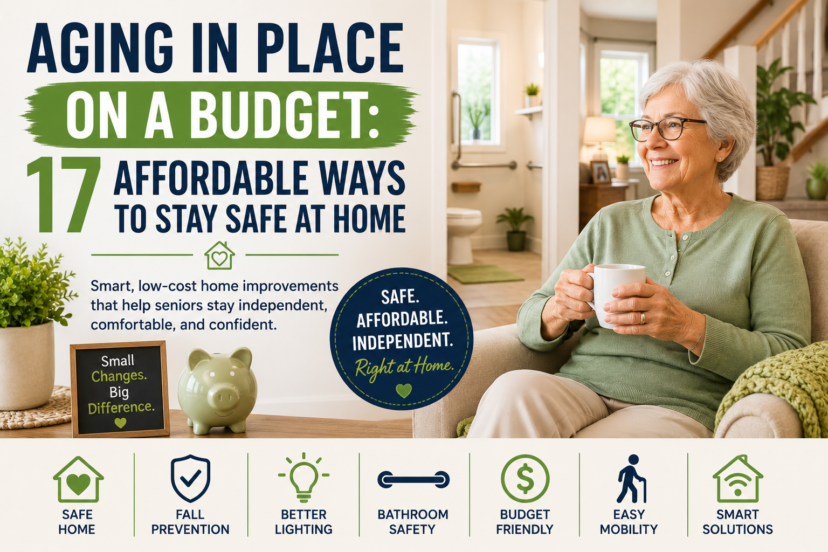
Growing older at home doesn’t have to mean spending thousands of dollars on renovations. In fact, many of the most effective ways to improve safety and comfort are surprisingly affordable. With a little planning and a few smart changes, you can create a home that supports independence without straining your budget. Whether you’re an older adult planning for the future or a caregiver helping a loved one, aging in place on a budget is entirely possible. The goal isn’t to build a perfect home overnight—it’s to make thoughtful improvements that reduce risks, simplify daily life, and provide greater peace of mind.
From better lighting to simple bathroom upgrades, every small step can make a meaningful difference. The following ideas can help you create a safer, more comfortable home while keeping costs under control.
⭐ Quick Answer: Aging In Place On A Budget
Aging in place on a budget means making affordable home improvements that increase safety, accessibility, and comfort without major remodeling. Simple upgrades like improving lighting, installing grab bars, removing fall hazards, using smart home devices, and reorganizing living spaces can help seniors remain independent while saving money.
Key Takeaways
Most likely cause: Many older adults believe aging in place requires expensive renovations, when affordable home improvements can often address the most common safety and accessibility concerns.
Usually serious? It can be. Delaying basic safety upgrades may increase the risk of falls, injuries, and loss of independence over time.
First thing to check: Identify the highest-priority safety risks in the home, such as poor lighting, slippery floors, loose rugs, difficult-to-reach storage, and bathrooms without grab bars.
Best solution: Focus on aging in place on a budget by making low-cost improvements that provide the greatest safety benefits, including better lighting, grab bars, non-slip surfaces, decluttering, and simple accessibility upgrades.
🏡 Why Aging In Place On A Budget Makes Sense
Many older adults want to remain in their own homes because they feel comfortable, familiar, and connected to their communities. Fortunately, creating a safer home doesn’t always require expensive remodeling projects.
Choosing aging in place on a budget allows families to:
- Maintain independence
- Reduce fall risks
- Improve daily comfort
- Delay or avoid costly assisted living
- Lower caregiver stress
- Protect long-term quality of life
Even modest improvements can have a significant impact.
💡 1. Improve Lighting Throughout The Home
Good lighting is one of the most affordable safety upgrades.
Replace dim bulbs with brighter LED bulbs and add lighting to:
- Hallways
- Stairways
- Bathrooms
- Entryways
- Kitchens
Motion-activated nightlights are inexpensive and help prevent nighttime falls.
🚶 2. Remove Trip Hazards
Walk through every room and look for common fall risks.
Remove or secure:
- Loose rugs
- Electrical cords
- Clutter
- Small furniture
- Shoes left on the floor
Keeping walkways clear costs nothing but can dramatically improve safety.
🚿 3. Install Grab Bars
Grab bars provide extra stability in bathrooms.
Install them:
- Next to the toilet
- Inside the shower
- At the bathtub entrance
Modern grab bars are affordable and blend well with most bathroom styles.
🚽 4. Add A Raised Toilet Seat
Standing up from a low toilet becomes more difficult with age.
A raised toilet seat is inexpensive and helps reduce strain on knees and hips.
Many models install without professional help.
🛋️ 5. Rearrange Furniture For Better Mobility
One of the easiest ways to support aging in place on a budget is by improving room layout.
Create:
- Wider walking paths
- Open living areas
- Easier access to frequently used furniture
Avoid overcrowded rooms whenever possible.
🚪 6. Replace Round Doorknobs With Lever Handles
Lever-style handles are easier to operate for people with arthritis or reduced hand strength.
They’re inexpensive and often simple to install yourself.
🩴 7. Use Non-Slip Mats
Bathrooms and kitchens often have slippery floors.
Choose rubber-backed, non-slip mats designed for wet areas.
Avoid loose rugs that can slide unexpectedly.
🍽️ 8. Organize Frequently Used Items
Reduce unnecessary reaching by storing everyday items between waist and shoulder height.
This simple adjustment helps prevent falls caused by climbing or bending.
💡 9. Install Motion-Sensor Lights
Motion-sensor lighting automatically illuminates dark areas.
Place them:
- In hallways
- Bathrooms
- Closets
- Garages
- Entryways
Battery-powered models are inexpensive and easy to install.
📱 10. Add Affordable Smart Home Devices
Technology doesn’t have to be expensive.
Budget-friendly options include:
- Smart speakers
- Medication reminder apps
- Smart plugs
- Video doorbells
- Voice-controlled lighting
These tools improve convenience while supporting independent living.
🪜 11. Improve Stair Safety
Make stairs safer by adding:
- Handrails on both sides
- Bright lighting
- Non-slip stair treads
- High-contrast step edges
These improvements often cost far less than major renovations.
🧹 12. Declutter Every Room
Less clutter means fewer accidents.
Focus on:
- Hallways
- Bedrooms
- Bathrooms
- Living rooms
- Garage entrances
Decluttering also makes cleaning easier.
🚗 13. Improve Outdoor Safety
Don’t overlook outdoor spaces.
Affordable improvements include:
- Solar pathway lights
- Handrails
- Pressure washing slippery surfaces
- Repairing cracked sidewalks
- Trimming overgrown plants
Safe entrances reduce fall risks year-round.
🛏️ 14. Make The Bedroom Safer
Arrange the bedroom for easy nighttime access.
Helpful ideas include:
- Nightstand within reach
- Bedside lamp
- Motion light
- Stable bed height
- Clear path to the bathroom
❤️ 15. Focus On Preventive Maintenance
Small repairs today prevent expensive problems later.
Check regularly for:
- Loose handrails
- Leaky faucets
- Uneven flooring
- Broken smoke detectors
- Worn weather stripping
Preventive maintenance protects both safety and your budget.
🏠 16. Look For Financial Assistance Programs
Many communities offer programs that help older adults improve home safety.
Examples include:
- Local aging agencies
- Nonprofit organizations
- Veterans benefits
- State accessibility grants
- Community volunteer programs
These resources may help reduce out-of-pocket costs.
📋 17. Prioritize Improvements Over Time
The biggest mistake is believing everything must be done immediately.
Instead:
- Address the highest-risk areas first.
- Set a monthly budget.
- Complete one project at a time.
- Reassess needs each year.
This approach makes aging in place on a budget realistic and manageable for most families.
👨⚕️ When To Consult A Professional
Many budget-friendly home improvements are suitable for DIY projects, but some situations require professional expertise. If an older adult experiences frequent falls, significant mobility limitations, memory concerns, or complex medical conditions, consult a Certified Aging-in-Place Specialist (CAPS), occupational therapist, licensed contractor, home accessibility installer, or healthcare provider. These professionals can assess safety risks, recommend personalized solutions, and ensure major projects—such as ramps, stair lifts, bathroom renovations, or structural modifications—are completed safely and comply with local building codes.
❓ FAQs: Aging In Place On A Budget
1. Can you age in place on a small budget?
Yes. Many effective home safety improvements, such as better lighting, grab bars, decluttering, and non-slip mats, are affordable and provide significant benefits.
2. What is the cheapest way to make a home safer for seniors?
Removing trip hazards, improving lighting, installing motion lights, rearranging furniture, and organizing frequently used items are among the lowest-cost improvements.
3. Are home modifications covered by insurance?
Coverage varies. Some programs, veterans’ benefits, Medicaid waiver programs, or local organizations may help pay for certain accessibility improvements.
4. Which room should I improve first?
The bathroom is often the highest priority because it presents one of the greatest fall risks.
5. Are smart home devices expensive?
Many useful smart devices are available at reasonable prices and can improve safety, communication, and convenience.
6. How do I prioritize home improvements?
Start with projects that reduce the greatest safety risks, especially fall prevention, lighting, and bathroom accessibility.
7. Can I make my home senior-friendly without remodeling?
Absolutely. Many of the best aging-in-place improvements require little more than better organization, lighting, safety equipment, and thoughtful furniture placement.
📌 Final Thoughts On Aging In Place On A Budget
Creating a safer home doesn’t require a large renovation budget. The key to aging in place on a budget is focusing on simple, affordable improvements that make everyday life easier and safer.
From brighter lighting and grab bars to better organization and smart technology, each small upgrade helps build a home that supports independence, confidence, and peace of mind. By tackling one project at a time, older adults and caregivers can create a comfortable, secure living environment that promotes healthy aging without unnecessary financial stress.
Disclaimer: This article is for general informational purposes only and is not a substitute for professional medical, healthcare, or home accessibility advice. Always consult qualified healthcare providers, Certified Aging-in-Place Specialists (CAPS), occupational therapists, licensed contractors, or other appropriate professionals before making significant home modifications, addressing mobility concerns, or beginning new exercise or rehabilitation programs. Follow local building codes and manufacturer instructions when installing accessibility or safety features.
 Explore more:
- Help Aging Parents Stay At Home
- Senior-Friendly Home Design: 15 Smart Ideas
- Best Shoes For Seniors To Prevent Falls