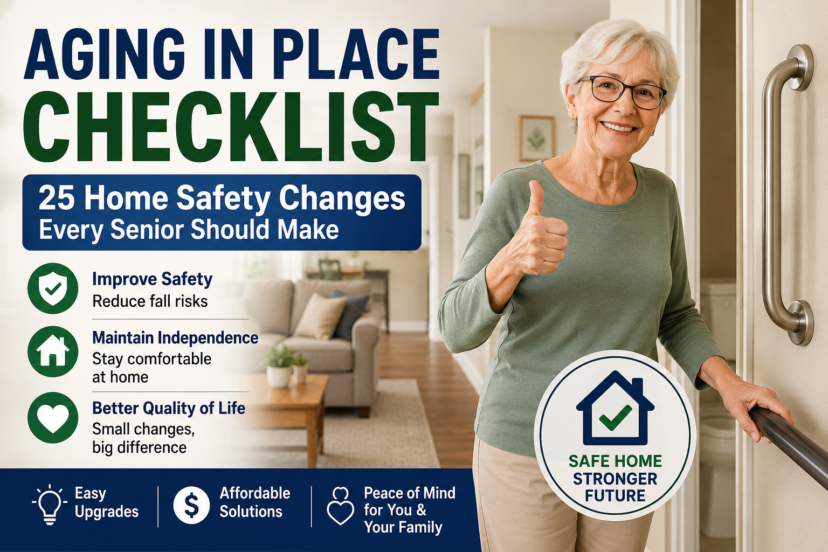
Aging In Place Checklist: 25 Home Safety Changes Every Senior Should Make
What are the top home safety changes in my aging in place checklist? Growing older doesn’t mean giving up independence. In fact, many older adults prefer staying in the homes they love for as long as possible. The good news is that aging in place doesn’t always require expensive remodeling projects or major renovations.
Often, small changes can make a big difference.
Whether you’re planning ahead for yourself or helping an aging parent, this aging in place checklist can help create a safer, more comfortable, and lower-stress living environment. These practical ideas can support independence, reduce fall risks, and improve quality of life for years to come.
⭐ Quick Answer: Aging In Place Checklist
An aging in place checklist includes simple home safety improvements that help older adults remain independent. Important changes include better lighting, removing trip hazards, installing grab bars, improving bathroom safety, organizing medications, and making daily activities easier and safer.
Key Takeaways
Most likely cause: Many homes were not designed with the changing mobility, balance, and accessibility needs that often come with aging.
Usually serious? It can be. Unaddressed home hazards can increase the risk of falls, injuries, and loss of independence over time.
First thing to check: Use an aging in place checklist to identify common safety concerns such as poor lighting, loose rugs, cluttered walkways, slippery bathrooms, and difficult-to-reach everyday items.
Best solution: Follow a comprehensive aging in place checklist by improving lighting, removing trip hazards, installing grab bars, organizing frequently used items, and making practical home modifications that support long-term safety and independence.
🏡 Why An Aging In Place Checklist Matters
According to the CDC, falls are one of the leading causes of injury among older adults in the United States. Many accidents happen inside the home and can often be prevented with simple adjustments.
Benefits of following an aging in place checklist include:
- Improved safety
- Greater independence
- Reduced caregiver stress
- Better mobility
- Increased confidence
- Lower risk of falls
- More comfortable daily living
The goal isn’t perfection. It’s creating a home that supports healthy aging.
🔦 Aging In Place Checklist For Better Home Safety
1. Improve Lighting Throughout The Home
Poor lighting increases fall risk.
Consider:
- Brighter LED bulbs
- Motion-sensor lights
- Night lights in hallways
- Under-cabinet lighting in kitchens
2. Remove Loose Rugs
Area rugs are one of the most common tripping hazards.
Replace them with:
- Non-slip rugs
- Carpet tape
- Bare flooring when possible
3. Clear Walkways
Keep floors free from:
- Electrical cords
- Shoes
- Boxes
- Small furniture
4. Install Grab Bars In Bathrooms
Bathrooms are among the most dangerous areas for seniors.
Place grab bars near:
- Toilets
- Showers
- Bathtubs
5. Add Non-Slip Mats
Use slip-resistant mats inside:
- Showers
- Bathtubs
- Bathroom floors
6. Raise Frequently Used Items
Avoid excessive bending or reaching.
Store everyday items between waist and shoulder height.
7. Upgrade Door Handles
Lever-style handles are easier for people with arthritis than round knobs.
8. Install Handrails On Both Sides Of Stairs
Extra support can improve confidence and balance.
9. Increase Bathroom Lighting
Bright bathrooms help prevent accidents during nighttime trips.
10. Use A Shower Chair
Shower chairs provide stability and reduce fatigue.
🚶 Mobility Improvements For Aging In Place
11. Keep Frequently Used Rooms On One Floor
Limiting stair use may improve safety.
12. Consider A Raised Toilet Seat
Raised seats can make sitting and standing easier.
13. Use Non-Slip Flooring
Safer options include:
- Vinyl flooring
- Cork flooring
- Textured tile
14. Add Motion-Sensor Lighting
Automatic lighting can prevent nighttime falls.
15. Place Chairs Throughout The House
Having resting spots available may help seniors with limited stamina.
🍳 Kitchen Safety Changes
16. Organize Cabinets
Keep commonly used items easy to reach.
17. Replace Heavy Cookware
Lightweight pots and pans reduce strain.
18. Label Food Clearly
Large-print labels make meal preparation easier.
19. Install Pull-Out Shelves
These shelves improve accessibility without major renovations.
🛏 Bedroom Safety Improvements
20. Keep A Lamp Near The Bed
Easy access to light reduces nighttime accidents.
21. Use Night Lights
Night lights help guide safe movement after dark.
22. Make The Bed Height Comfortable
A bed that is too high or too low can increase fall risk.
📱 Smart Technology For Aging In Place
23. Consider A Medical Alert System
Medical alert devices can provide peace of mind for seniors living alone.
24. Use Voice Assistants
Devices like Amazon Alexa or Google Assistant can help with:
- Medication reminders
- Weather updates
- Emergency calls
- Shopping lists
25. Create An Emergency Contact List
Post important numbers in an easy-to-see location.
Include:
- Family members
- Physicians
- Emergency services
- Neighbors
❤️ Small Changes Can Make A Big Difference
Many families assume aging in place requires expensive remodeling. In reality, some of the most effective improvements are inexpensive and easy to implement.
Even one change can:
- Improve confidence
- Reduce stress
- Increase independence
- Make everyday activities easier
Remember, you don’t have to become a home modification expert to create a safer home.
👨🔧 When To Consult A Professional
Consider seeking help from a qualified professional if:
- Mobility challenges are increasing.
- Frequent falls are occurring.
- Major bathroom renovations are needed.
- Wheelchair accessibility is required.
- Cognitive decline affects safety.
Professionals who may help include:
- Certified Aging-In-Place Specialists (CAPS)
- Occupational therapists
- Healthcare providers
- Home accessibility contractors
- Physical therapists
❓ FAQs: Aging In Place Checklist
What is aging in place?
Aging in place means remaining safely and comfortably in your own home as you grow older.
What is included in an aging in place checklist?
A checklist typically includes lighting improvements, bathroom safety upgrades, fall prevention measures, and accessibility changes.
What room should seniors modify first?
Bathrooms are often the best place to start because they present a higher risk for falls.
Do aging in place modifications cost a lot?
Not necessarily. Many improvements are affordable and can be completed gradually.
Are grab bars really necessary?
Yes. Grab bars provide stability and may help reduce fall risk.
Should elderly parents live alone?
It depends on their health, mobility, and support system. Every situation is unique.
Who can help with home safety evaluations?
Certified Aging-In-Place Specialists, occupational therapists, and healthcare professionals can provide recommendations.
🎯 Final Thoughts
Aging in place isn’t about making your home perfect. It’s about making it safer, easier, and more enjoyable for everyday life.
Small improvements made today can help preserve independence tomorrow.
Whether you’re planning ahead for yourself or supporting a loved one, this aging in place checklist can serve as a practical roadmap toward greater safety, confidence, and peace of mind.
Disclaimer
This article is for informational purposes only and does not replace professional medical, healthcare, or home accessibility advice. Always follow local building codes and consult qualified healthcare providers, contractors, or Certified Aging-In-Place Specialists before making significant home modifications or beginning new exercise programs.
 Explore more: