Why Dim Lighting Increases Fall Risk After Age 65: 10 Ways To Make Your Home Safer
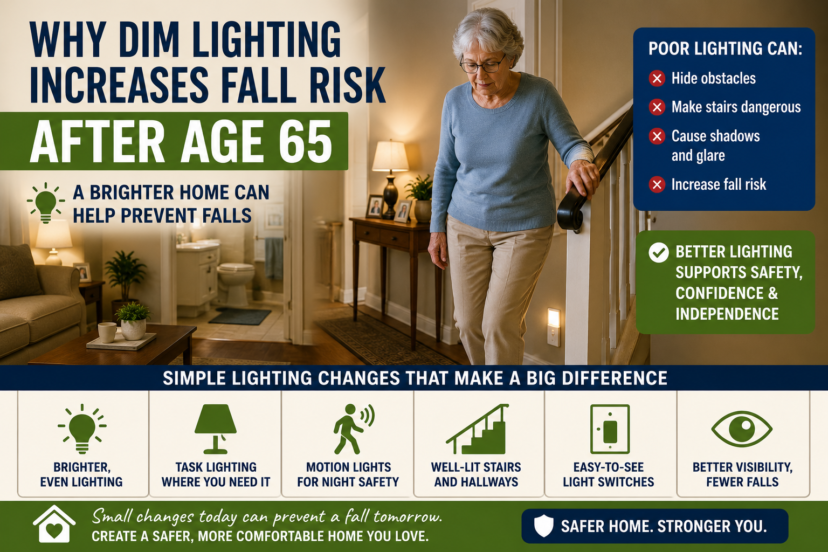
A dark hallway, shadowed staircase, or poorly lit bathroom may seem like a minor household inconvenience, but it can become an important safety concern as we get older. Understanding why dim lighting increases fall risk after age 65 can help older adults and families make simple changes that improve visibility, confidence, and independence without expensive remodeling.
Age-related changes in vision can make it harder to see obstacles, judge depth, distinguish similar colors, and adjust quickly when moving between bright and dark areas. Combine those changes with loose rugs, stairs, pets, electrical cords, or an unexpected object on the floor, and a poorly illuminated room can become much harder to navigate safely.
Fortunately, better lighting is one of the easier aging-in-place improvements to address. Strategic lamps, brighter appropriate bulbs, motion-activated lights, and better nighttime illumination can make everyday movement safer and more comfortable throughout the home.
💡 Quick Answer: Why Dim Lighting Increases Fall Risk After Age 65
Why dim lighting increases fall risk after age 65 comes down largely to visibility and age-related changes in vision. Dim rooms can make stairs, obstacles, floor transitions, and changes in surface height harder to see. Older adults may also adjust more slowly when moving between bright and dark environments. Improving general lighting, task lighting, contrast, and nighttime pathways can support safer movement.
Key Takeaways
Most likely cause: Age-related vision changes can make low-light environments, shadows, obstacles, and changes in floor level more difficult to see clearly.
Usually serious? Dim lighting alone does not mean someone will fall, but inadequate visibility can add to fall risk when combined with balance problems, medications, mobility limitations, clutter, or unsafe flooring.
First thing to check: Walk through the home after sunset and identify dark stairs, hallways, bathrooms, entrances, and bedroom-to-bathroom routes.
Best solution: Understanding why dim lighting increases fall risk after age 65 can help families prioritize even, comfortable lighting, better contrast, accessible switches, and clearly illuminated walking surfaces.
👁️ Why Vision Changes Can Make Dim Lighting More Difficult
The eyes naturally change with age. Many older adults find that they need more illumination to perform the same tasks they once completed comfortably in lower light.
Adjusting between different levels of brightness may also become slower.
Imagine sitting in a brightly illuminated living room and then walking into a dark hallway. A younger person’s eyes may adapt relatively quickly, while an older adult may need additional time before details become clear.
During that transition, an object on the floor or a small step may be harder to notice.
Contrast can also become important.
A beige step against beige flooring may be difficult to distinguish in dim conditions. A handrail that blends into the wall can also be harder to locate.
These changes help explain why dim lighting increases fall risk after age 65, particularly when other mobility or balance challenges are present.
🌑 1. Dim Lighting Can Hide Everyday Tripping Hazards
Most homes contain small obstacles from time to time.
Shoes get left beside a chair. A pet toy lands in the hallway. A charging cable crosses the floor.
In good lighting, these objects may be easy to notice.
In dim lighting, they can disappear into shadows.
Common hazards include:
- Electrical cords
- Pet toys
- Shoes
- Bags
- Small furniture
- Loose rugs
- Boxes
- Uneven flooring
Improving lighting should therefore be combined with decluttering.
A brightly illuminated obstacle is easier to see, but removing the obstacle altogether is even better.
🪜 2. Stairs Become Harder To Judge
Stairs are one of the most important places to address when improving home lighting.
Inadequate illumination may make individual steps and edges more difficult to distinguish.
Strong shadows can also affect how the staircase appears.
Check whether the entire staircase is evenly illuminated from top to bottom.
Also examine:
- Landings
- Handrails
- First and last steps
- Light switches
- Floor transitions near stairs
Consider whether the handrail contrasts enough with the surrounding wall to be easily identified.
Understanding why dim lighting increases fall risk after age 65 means recognizing that lighting and contrast work together.
If an older adult remains unsteady on stairs even after lighting improvements, professional evaluation may be appropriate.
🚶 3. Shadows Can Make Walking Surfaces Difficult To Interpret
More light is not always enough.
Where the light comes from matters too.
A single bright lamp can create dark shadows behind furniture or along a hallway. Those shadows may hide obstacles or make surfaces more difficult to interpret.
A better approach is often even illumination.
Rather than relying on one extremely bright fixture, use several appropriately positioned light sources when necessary.
For example, a living room might combine:
- Ceiling lighting
- Table lamps
- Floor lamps
- Task lighting
The goal is to reduce dramatic changes between brightly illuminated and shadowed areas.
🌙 4. Nighttime Bathroom Trips Can Increase Risk
Getting up during the night is a common situation where poor lighting becomes especially important.
Someone wakes in a dark bedroom and walks toward the bathroom while still sleepy.
The route might include furniture, rugs, thresholds, or hallway turns.
Instead of requiring someone to walk across a dark room to reach a wall switch, consider adding low-level motion-activated lighting.
Useful locations include:
- Beside the bed
- Bedroom doorway
- Hallway
- Bathroom entrance
- Inside the bathroom
The lighting should make the walking surface and obstacles visible without creating uncomfortable glare.
This is one of the most practical lessons from understanding why dim lighting increases fall risk after age 65.
🛁 5. Poor Bathroom Lighting Can Hide Slippery Surfaces
Bathrooms already contain several potential fall hazards, including water, smooth surfaces, bath mats, shower thresholds, and frequent sitting and standing.
Poor visibility can make those challenges harder to manage.
Make sure the bathroom has comfortable general illumination and that important features are easy to identify.
Pay attention to:
- Shower entrance
- Bathtub edge
- Toilet
- Grab bars
- Floor mats
- Changes in flooring
- Sink area
Contrast may also help make fixtures easier to identify.
Lighting should be only one part of bathroom safety. Nonslip surfaces, appropriate grab bars, accessible storage, and suitable shower seating may also be helpful depending on the person’s needs.
🚪 6. Dark Entrances Can Make Coming Home More Difficult
Fall prevention should extend beyond the interior of the house.
A poorly illuminated porch or walkway can make steps, cracked pavement, leaves, ice, and other hazards difficult to see.
Check exterior areas after sunset.
Can you clearly identify:
- Steps
- Handrails
- Door thresholds
- Walkways
- Driveway edges
- Door locks
Motion-activated exterior lighting can be convenient because the person does not have to locate a switch before approaching the entrance.
Position exterior fixtures so they illuminate walking surfaces without shining directly into the person’s eyes.
✨ 7. Glare Can Be Almost As Problematic As Darkness
When families learn why dim lighting increases fall risk after age 65, the natural response may be to install extremely bright bulbs everywhere.
That can create another problem: glare.
An exposed bulb, bright window, or light reflecting from a glossy floor can make seeing comfortably more difficult.
Instead, aim for bright but comfortable lighting.
Reduce glare by:
- Using lampshades or diffused fixtures
- Adjusting blinds or curtains
- Repositioning lamps
- Avoiding exposed bulbs where practical
- Reducing strong reflections
The objective is not maximum brightness.
It is maximum useful visibility.
💡 8. Poor Task Lighting Can Make Daily Activities Harder
Fall prevention is not only about walking.
Poor lighting can also make everyday activities more difficult, which may encourage awkward movements.
For example, someone who cannot clearly see inside a lower cabinet may bend farther forward or move into an unstable position.
Add task lighting where detailed activities happen.
Useful locations include:
- Kitchen countertops
- Reading chairs
- Bathroom vanity
- Workbench
- Sewing or hobby area
- Laundry room
Under-cabinet kitchen lighting is particularly useful because cabinets often create shadows directly over work surfaces.
🔘 9. Difficult-To-Reach Switches Can Leave Rooms Dark
Lighting cannot help if someone cannot conveniently turn it on.
Check whether switches are easy to reach from entrances and frequently used areas.
A senior should ideally not have to cross a dark room to reach the lamp.
Depending on the home, useful options may include:
- Bedside lighting controls
- Motion sensors
- Plug-in night lights
- Remote-controlled lamps
- Smart lighting
- Illuminated switches
Technology does not need to be complicated.
The best solution is one the older adult understands and will actually use.
🎨 10. Low Contrast Can Make Hazards Harder To See
Lighting and contrast should be considered together.
A dark handrail against a dark wall may remain difficult to identify even with improved lighting.
Likewise, similar-colored flooring and steps may make elevation changes less obvious.
Contrast may help highlight important features such as:
- Stair edges
- Handrails
- Grab bars
- Doorways
- Light switches
- Bathroom fixtures
Avoid confusing or overly busy floor patterns where possible.
A simpler visual environment can make important features easier to identify.
🏠 Which Areas Of The Home Need Better Lighting First?
You don’t have to replace every fixture in the house.
If you are concerned about why dim lighting increases fall risk after age 65, begin with high-priority walking areas.
Start with:
Stairs: Make every step and landing clearly visible.
Bedroom-To-Bathroom Route: Add safe nighttime illumination.
Bathrooms: Improve visibility around the toilet, shower, tub, and floor.
Entrances: Illuminate steps, thresholds, and walkways.
Hallways: Eliminate long dark sections.
Kitchen: Improve task lighting around countertops and work areas.
Once these locations are addressed, move to living rooms, closets, laundry areas, garages, and other spaces.
🔍 How To Perform A Simple Nighttime Lighting Check
One of the easiest aging-in-place safety checks costs nothing.
Wait until after sunset and walk through the home using the lights the older adult normally uses.
Do not turn on extra lights just because you’re conducting an inspection.
Look for:
- Dark corners
- Hidden steps
- Strong shadows
- Glare
- Poorly visible rugs
- Hard-to-find switches
- Dim entrances
- Dark bathroom routes
Try viewing the environment from the older adult’s usual perspective.
If possible, ask:
“Where do you have trouble seeing?”
Their answer may reveal problems that other family members have overlooked.
🛠️ How To Improve Home Lighting Without Expensive Renovations
Addressing why dim lighting increases fall risk after age 65 does not require rewiring the entire house.
Start with inexpensive improvements.
Replace burned-out or inadequate bulbs with appropriate bulbs rated for the fixture.
Add table or floor lamps where rooms are unevenly illuminated.
Install plug-in night lights or motion-activated lights in appropriate locations.
Open curtains during the day when natural light improves visibility, and use blinds or shades when sunlight creates glare.
Also clean dusty fixtures and lampshades, which can reduce usable light.
More permanent electrical improvements can be completed later if necessary.
Small changes throughout the house can collectively create a much easier environment to navigate.
👷 When To Consult A Professional
Lighting is only one part of fall prevention.
If an older adult has repeated falls, significant balance problems, dizziness, weakness, difficulty using stairs, or rapidly changing vision, consult an appropriate healthcare professional rather than relying only on home modifications.
An occupational therapist can evaluate how vision, mobility, and the home environment interact.
A Certified Aging-in-Place Specialist (CAPS) or accessibility professional can evaluate broader home safety needs.
Consult a licensed electrician or qualified contractor for permanent fixtures, new switches, stair lighting, exterior wiring, or electrical modifications, and follow applicable local codes.
An optometrist, ophthalmologist, or low-vision specialist can help when poor vision remains a concern despite improved lighting.
❓ Frequently Asked Questions About Dim Lighting And Senior Fall Risk
Does Poor Lighting Increase The Risk Of Falls In Older Adults?
Poor lighting can contribute to fall risk by making obstacles, stairs, floor transitions, and other environmental hazards harder to see. Falls usually have multiple possible causes, so lighting should be considered as part of a broader safety plan.
Why Do Seniors Need More Light Than Younger Adults?
Age-related changes in the eyes can make seeing in low-light conditions more difficult and can slow adaptation when moving between bright and dark environments. Individual needs vary depending on eye health and other factors.
What Type Of Lighting Is Best For Fall Prevention?
Comfortable, evenly distributed lighting that reduces shadows and glare is useful. Task lighting and motion-activated nighttime lighting can also improve visibility in important areas.
Are Night Lights Good For Seniors?
Night lights can help illuminate frequently traveled nighttime routes. Motion-activated options may be especially convenient because they do not require someone to locate a switch in darkness.
Where Should Night Lights Be Placed For Elderly Adults?
Common locations include bedrooms, hallways, bathrooms, stairs, and other nighttime routes. Position them so they illuminate walking surfaces without creating excessive glare.
How Can I Make Stairs Safer For An Elderly Person?
Improve lighting, keep stairs free from clutter, maintain sturdy handrails, repair loose surfaces, and make step edges easier to distinguish when appropriate. Persistent stair difficulty should be professionally evaluated.
What Other Factors Increase Fall Risk After Age 65?
Fall risk can involve multiple factors, including balance or strength problems, certain medications, vision changes, unsafe footwear, home hazards, and some medical conditions. A healthcare professional can help evaluate individual risk factors.
🏡 Final Thoughts On Why Dim Lighting Increases Fall Risk After Age 65
Once you understand why dim lighting increases fall risk after age 65, improving the home becomes much more manageable.
You do not necessarily need an expensive remodel.
Start tonight.
Walk from the bedroom to the bathroom. Look at the stairs. Check the front entrance. Notice where shadows hide the floor and where switches are difficult to reach.
Then solve the most obvious problems one at a time.
A strategically placed lamp, motion-activated night light, brighter appropriate bulb, or better-illuminated staircase can make an everyday space easier to navigate.
Good lighting cannot eliminate every fall risk, but it is an important part of creating a safer aging-in-place environment.
Small, thoughtful improvements can help older adults see their surroundings more clearly, move with greater confidence, maintain independence, and continue enjoying the comfort and familiarity of home.
Disclaimer: This content is for general informational purposes only and is not a substitute for professional medical, healthcare, vision, mobility, electrical, or home accessibility advice. Follow applicable local building and electrical codes and consult qualified healthcare providers, eye-care professionals, electricians, contractors, occupational or physical therapists, accessibility professionals, or Certified Aging-in-Place Specialists before making significant home modifications or beginning new exercise or mobility routines.
Explore more:
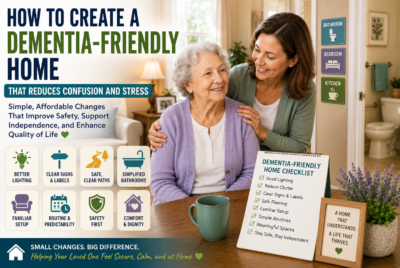
- How To Create A Dementia-Friendly Home
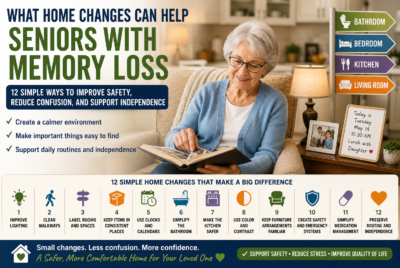
- What Home Changes Can Help Seniors With Memory Loss?
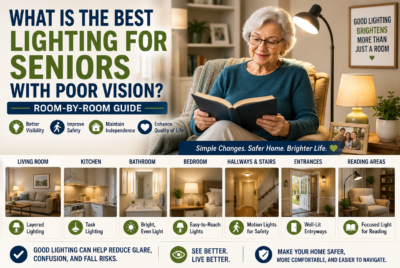
- What Is The Best Lighting For Seniors With Poor Vision?